Geological Hydrogen Breakthrough Could Revolutionize Data Center Location Strategy
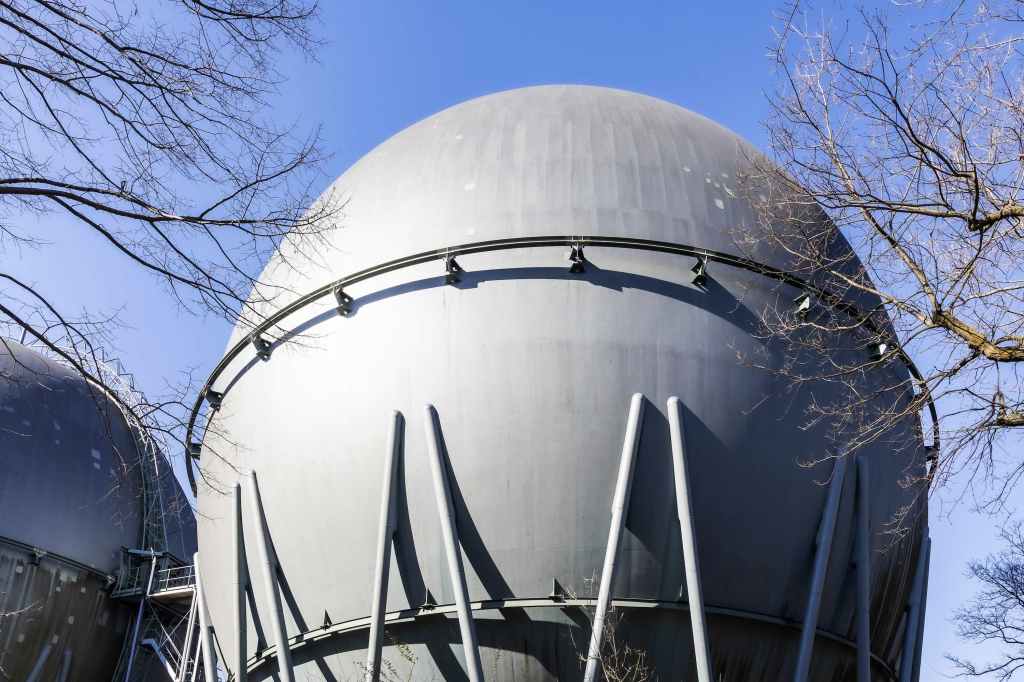
While the automotive sector continues to face challenges with large-scale hydrogen adoption, industrial applications and data center operations may present more viable opportunities. Vema Hydrogen secured a supply agreement with California-based data centers in December and has recently completed a pilot deployment in Quebec, demonstrating the feasibility of powering industrial operations with hydrogen extracted from deep underground geological formations.
The company employs a specialized drilling methodology targeting iron-rich rock formations. By applying controlled water, heat, pressure, and proprietary catalysts, these geological structures release hydrogen gas, which is then extracted to the surface for commercial distribution to industrial clients.
Scalability and Production Metrics
According to Pierre Levin, CEO of Vema Hydrogen, the company's approach demonstrates remarkable efficiency in terms of land utilization. "To supply the Quebec local market, which is about 100,000 tons per year, you would need 3 square kilometers, which is nothing," Levin stated.
The initial pilot well is currently producing several tons of hydrogen daily. In the upcoming year, Vema plans to deploy its first commercial-scale well, reaching depths of 800 meters. The company projects production costs below $1 per kilogram from initial wells—a critical price point widely recognized as the benchmark for economically viable clean hydrogen.
Comparative Cost Analysis
Current hydrogen production predominantly relies on steam methane reformation (SMR), an energy-intensive process that separates hydrogen molecules from natural gas-derived methane. This methodology generates significant carbon dioxide emissions both from steam generation and the chemical reaction itself.
According to IEA data, SMR-based hydrogen production costs range from $0.70 to $1.60 per kilogram. Alternative production methods include:
• Carbon capture-enabled SMR: approximately 50% premium over standard SMR
• Electrolysis using zero-carbon electricity: several-fold cost increase compared to SMR
Environmental and Economic Advantages
Stimulated geologic hydrogen production, termed "engineered mineral hydrogen" by Vema, represents one of the cleanest hydrogen generation methodologies available, according to Oxford Institute for Energy Studies research. Following process optimization, Levin anticipates achieving production costs below $0.50 per kilogram—potentially establishing a new market pricing benchmark.
Strategic Geographic Implications
The widespread distribution of suitable iron-rich geological formations enables proximity-based deployment strategies. Vema intends to establish extraction wells near high-demand industrial facilities and data center operations.
California presents particularly favorable conditions, hosting extensive ophiolite formations—iron-rich rock structures elevated from oceanic substrates through tectonic activity. If Vema achieves its projected pricing targets, geological distribution patterns could fundamentally reshape data center location strategies, potentially establishing California as a strategic hub for data center infrastructure.
"You have a ton of data centers who are trying to get some baseline, decarbonized electricity," Levin noted. "We have very strong traction with them."
Sources:
IEA - Global Average Levelised Cost of Hydrogen Production
Oxford Institute for Energy Studies - Stimulated Geologic Hydrogen Production
🔔 Stay tuned and subscribe →
Related news

Try these AI tools
NVIDIA AI LaunchPad: Scalable infrastructure and tools for enterprise AI development and deployment.

Discover Azure AI solutions that include predictive analytics, NLP, and computer vision to transform...

Beam provides serverless infrastructure to run GPU inference & training jobs. Trusted by developers...