India Targets $200B AI Infrastructure Investment by 2028 to Become Global Computing Hub
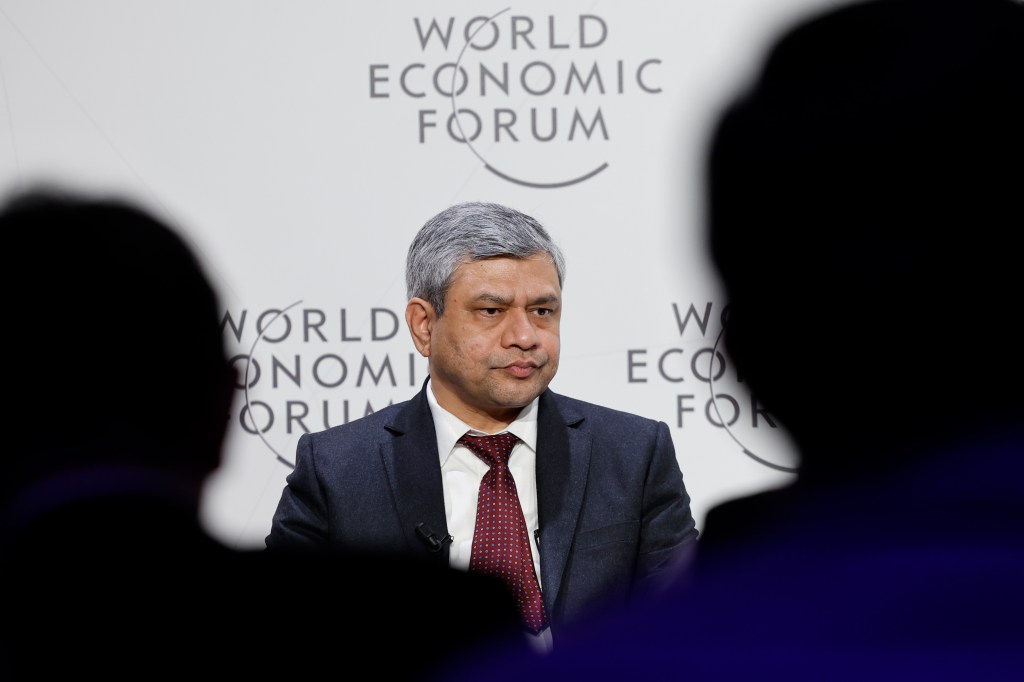
India has unveiled an ambitious initiative to secure over $200 billion in artificial intelligence infrastructure investment by 2028, positioning itself as a strategic global hub for AI computing and applications. This move comes at a critical juncture when computational capacity, capital allocation, and regulatory frameworks are emerging as key strategic differentiators in the global AI landscape.
The comprehensive plans were presented by India's IT Minister Ashwini Vaishnaw during the government-backed five-day AI Impact Summit in New Delhi, which drew senior executives from OpenAI, Google, Anthropic, and other leading technology corporations.
Investment Strategy and Incentives
To catalyze this investment influx, the Indian government is deploying a multi-faceted approach comprising:
• Tax incentive programs• State-backed venture capital initiatives
• Comprehensive policy support frameworks
• Infrastructure development commitments
The strategy builds on existing commitments from major U.S. technology firms, including Amazon, Google, and Microsoft, which have already pledged approximately $70 billion toward expanding AI and cloud infrastructure within the country.
Investment Allocation and Focus Areas
While the majority of the projected $200 billion is designated for AI infrastructure development—encompassing data centers, semiconductor systems, and supporting technologies—Minister Vaishnaw indicated that the government anticipates an additional $17 billion in deep-tech and AI application investments. This dual focus demonstrates India's intention to capture value across the entire AI technology stack, rather than limiting its role to infrastructure provision.
Policy Framework and Regulatory Support
Recent policy implementations designed to enhance India's attractiveness as an AI computing destination include:
1. Long-term tax exemptions for export-oriented cloud services extending through 20472. A ₹100 billion (approximately $1.1 billion) government-backed venture capital program targeting high-risk sectors including AI and advanced manufacturing
3. Extended startup qualification period for deep-tech companies to 20 years
4. Increased revenue threshold for startup-specific benefits to ₹3 billion (approximately $33.08 million)
"We have observed venture capital firms committing substantial funds across deep-tech startups, enterprise-scale solutions and applications, as well as advanced research in cutting-edge AI models," Vaishnaw stated during a press briefing.
Infrastructure Expansion Plans
Under the IndiaAI Mission, the country plans to significantly expand its shared compute capacity beyond the current deployment of 38,000 GPUs, with an additional 20,000 units scheduled for deployment in the coming weeks. This expansion represents a critical phase in India's national AI strategy.
The minister outlined plans for a second phase of the AI Mission, emphasizing:
• Enhanced research and development initiatives• Innovation acceleration programs
• Broader democratization of AI tools and infrastructure
• Continued expansion of shared compute resources
Infrastructure Challenges and Sustainability
The initiative faces significant execution challenges, particularly regarding reliable power supply and water resources required for energy-intensive data center operations. These infrastructure constraints represent substantial risks as India attempts to accelerate AI infrastructure development within a compressed timeline.
Addressing these concerns, Vaishnaw acknowledged the resource demands of AI infrastructure while highlighting India's energy portfolio advantage, noting that over half of the country's installed generation capacity derives from clean energy sources—a strategic advantage as data center demand intensifies.
Global Implications
India's success in executing this vision carries significant implications for the global AI ecosystem, as organizations worldwide seek alternative locations for AI computing infrastructure amid escalating costs, capacity limitations, and intensifying international competition for technological supremacy.
🔔 Stay tuned and subscribe →
Related news


Try these AI tools
Capital Companion: AI assistant for stock and market analysis. Gain insights for informed trading an...
Discover investment strategies, tools, market insights, and connect with brokers on hoopsAI.
Boost your startup's investability with PitchLeague.ai’s AI-driven pitch deck feedback and visibilit...