Singapore Attributes Major Telecom Infrastructure Breach to China-Backed APT Group UNC3886
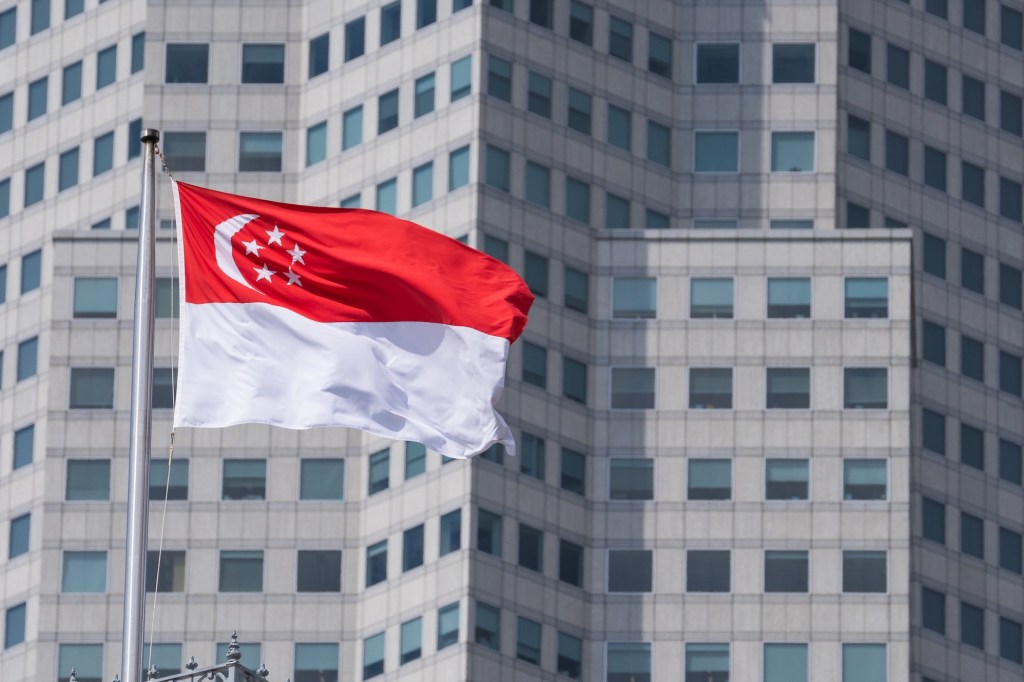
Singapore's government has officially attributed a sophisticated cyber-espionage campaign targeting its telecommunications infrastructure to UNC3886, a known advanced persistent threat (APT) group with suspected ties to the Chinese government. The months-long operation compromised systems belonging to the nation's four largest telecom operators: Singtel, StarHub, M1, and Simba Telecom.
According to K. Shanmugam, Singapore's coordinating minister for national security, while the threat actors successfully breached and accessed certain systems, they did not manage to disrupt critical services or exfiltrate personal user data. This marks the first time Singapore has publicly confirmed the targeting of its telecommunications sector, having previously acknowledged only an unspecified attack on critical infrastructure.
Threat Actor Profile and Tactics
Google's Mandiant cybersecurity division has previously linked UNC3886 to Chinese state-sponsored cyber-espionage operations. The group is characterized by its exploitation of zero-day vulnerabilities in network infrastructure components including routers, firewalls, and virtualized environments—attack surfaces where conventional security monitoring tools often have limited visibility.
In this particular campaign, the adversaries deployed advanced persistence mechanisms including rootkits to maintain long-term access to compromised systems. "In one instance, they were able to gain limited access to critical systems but did not get far enough to have been able to disrupt services," the government statement confirmed.
Broader Geopolitical Context
UNC3886 has demonstrated a consistent pattern of targeting defense, technology, and telecommunications sectors across the United States and Asia-Pacific region. The Chinese government is known to conduct extensive cyber-espionage operations, with intelligence assessments suggesting pre-positioning activities for potential disruptive attacks in anticipation of geopolitical contingencies, including scenarios involving Taiwan.
The affected telecommunications providers issued a joint statement acknowledging that they regularly face distributed denial-of-service (DDoS) attacks and malware campaigns. "We adopt defence-in-depth mechanisms to protect our networks and conduct prompt remediation when any issues are detected," the operators stated.
Comparison to Global Telecom Compromises
This incident follows a distinct pattern from recent widespread telecommunications breaches attributed to another China-backed threat group known as Salt Typhoon, which has compromised hundreds of telecom companies globally, including at least 200 entities in the United States and multiple organizations in Norway. Singapore authorities emphasized that the UNC3886 campaign "has not resulted in the same extent of damage as cyberattacks elsewhere," specifically referencing the Salt Typhoon operations.
Sources:
Singapore Cyber Security Agency Official Statement
Mandiant Threat Intelligence: UNC3886 Attribution
Mandiant: UNC3886 Zero-Day Exploitation Tactics
Reuters Coverage