SpaceX Pursues Ambitious Million-Satellite Orbital Data Center Infrastructure
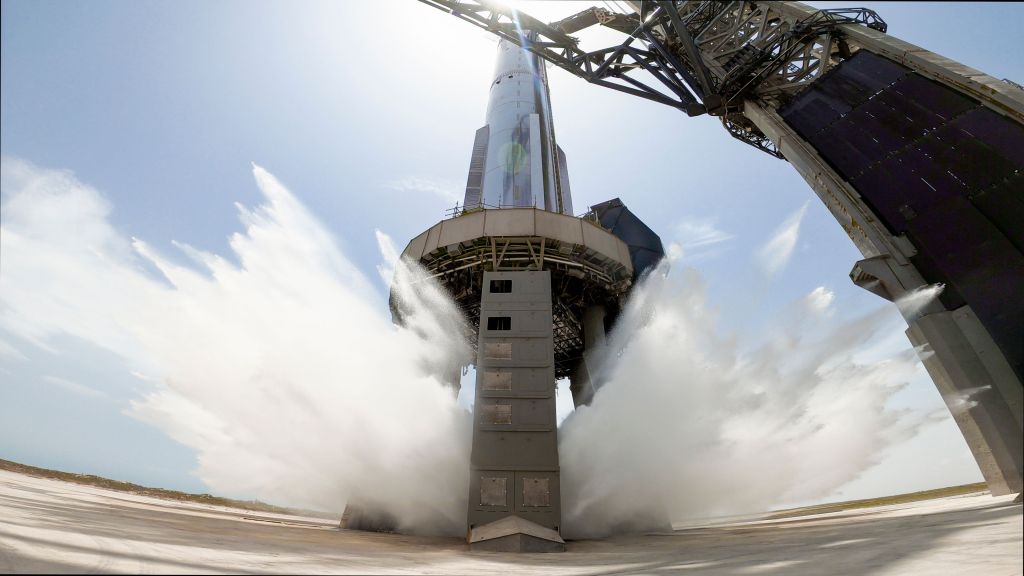
SpaceX has formally filed plans with the Federal Communications Commission (FCC) to deploy a million-satellite data center network in orbit, signaling a significant strategic shift toward space-based computing infrastructure. What initially appeared as speculative has rapidly evolved into a concrete initiative with regulatory momentum.
The project gained substantial credibility following the official merger between SpaceX and xAI, consolidating Musk's aerospace and artificial intelligence ventures. This integration suggests a coordinated approach to developing joint space-based computational infrastructure.
The FCC has accepted the filing and established a public comment period. FCC Chairman Brendan Carr publicly endorsed the proposal on X, indicating potential regulatory support for the initiative. Given current political alignments, the application is expected to proceed with minimal obstacles.
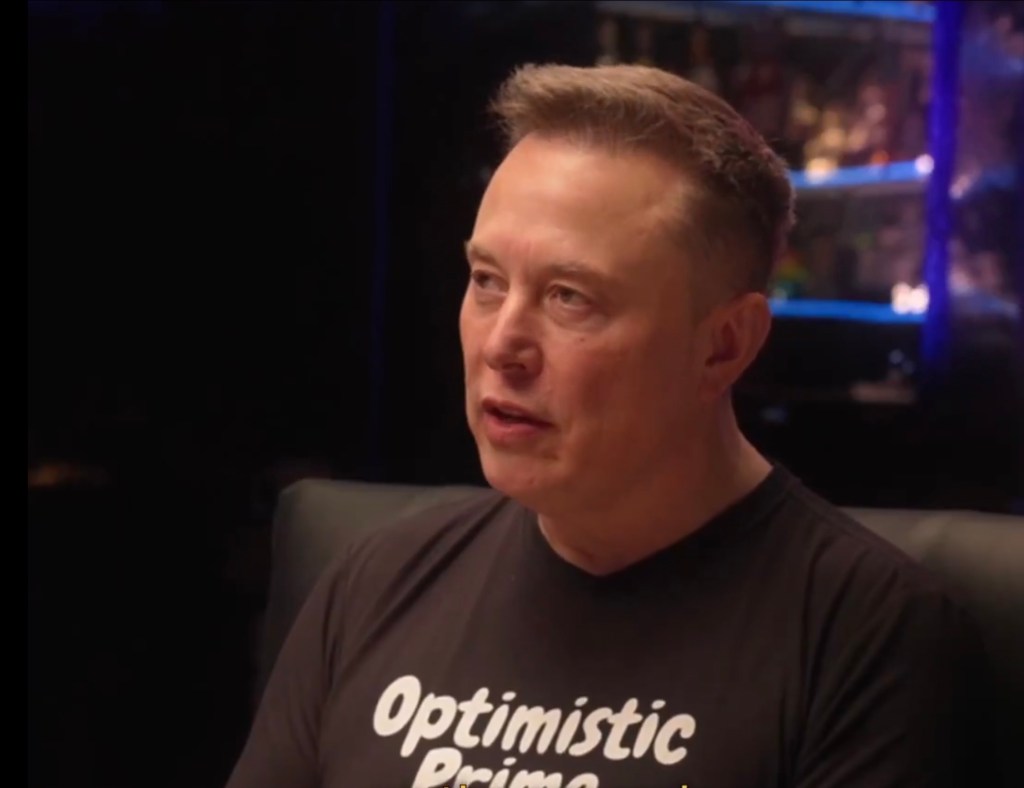
Musk articulated the technical and economic rationale for orbital data centers during an appearance on the "Cheeky Pint" podcast with Stripe co-founder Patrick Collison and guest Dwarkesh Patel. His core argument centers on energy efficiency advantages:
"Solar panels generate approximately five times more power in space compared to terrestrial installations," Musk explained. "This makes space-based deployment significantly more cost-effective for scaling computational infrastructure."
However, this reasoning contains logical gaps. While orbital solar panels do produce superior power output, power generation represents only one operational cost factor for data centers. Additionally, terrestrial facilities can leverage diverse energy sources beyond solar. Patel also raised concerns regarding hardware maintenance and GPU replacement during model training cycles in orbital environments.
Despite these challenges, Musk remains committed to aggressive timelines, identifying 2028 as a critical inflection point: "Within 30 to 36 months, space will become the most economically viable location for AI infrastructure deployment."
He further projected that within five years, annual orbital AI deployment will exceed cumulative terrestrial capacity. For context, global data center capacity is projected to reach approximately 200 GW by 2030, representing roughly $1 trillion in ground-based infrastructure investment.
The initiative aligns strategically with SpaceX's core launch services business model. With the newly formed SpaceX-xAI conglomerate preparing for an IPO in the coming months, orbital data center infrastructure is expected to feature prominently in investor communications.
As technology companies continue allocating hundreds of billions annually toward data center expansion, a portion of this capital may increasingly target space-based deployments.
Sources:
FCC Chairman Brendan Carr's X Post
Cheeky Pint Podcast Episode
John Collison's X Announcement
JLL Data Center Outlook