SpaceX Acquires xAI in $1.25 Trillion Merger to Deploy Space-Based Data Centers
SpaceX has officially acquired xAI, Elon Musk's artificial intelligence startup, forming what is now recognized as the world's most valuable private enterprise. The merger, announced Monday, positions the combined entity at a valuation of $1.25 trillion, according to Bloomberg News.
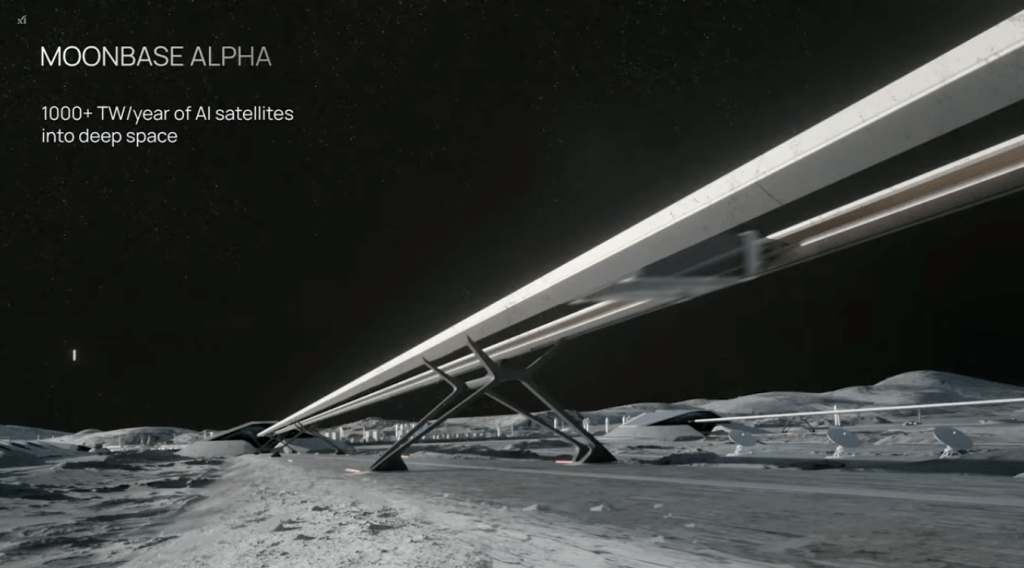
In a memo published on SpaceX's corporate website, Musk outlined the strategic rationale behind the acquisition, emphasizing the development of orbital data center infrastructure as the primary objective. This concept has become a focal point of Musk's technology roadmap in recent months.
"Current advances in AI are dependent on large terrestrial data centers, which require immense amounts of power and cooling. Global electricity demand for AI simply cannot be met with terrestrial solutions, even in the near term, without imposing hardship on communities and the environment," Musk stated in the memo.
The consolidation addresses significant financial challenges facing both organizations. xAI currently operates with a monthly burn rate of approximately $1 billion, while SpaceX derives roughly 80% of its revenue from deploying its proprietary Starlink satellite constellation, according to Reuters.
Key aspects of the merger:
• Combined valuation: $1.25 trillion
• Strategic focus: Space-based data center deployment
• Revenue synergy: Continuous satellite launch requirements
• Regulatory compliance: FCC-mandated 5-year satellite de-orbit cycle
The acquisition follows xAI's previous merger with X (formerly Twitter) in 2025, which Musk valued at $113 billion. Both Tesla and SpaceX had previously invested $2 billion each in xAI prior to this consolidation.
SpaceX has been preparing for a potential IPO scheduled for mid-2026, though the impact of this merger on that timeline remains unclear. Musk did not address the IPO plans in his public statement.
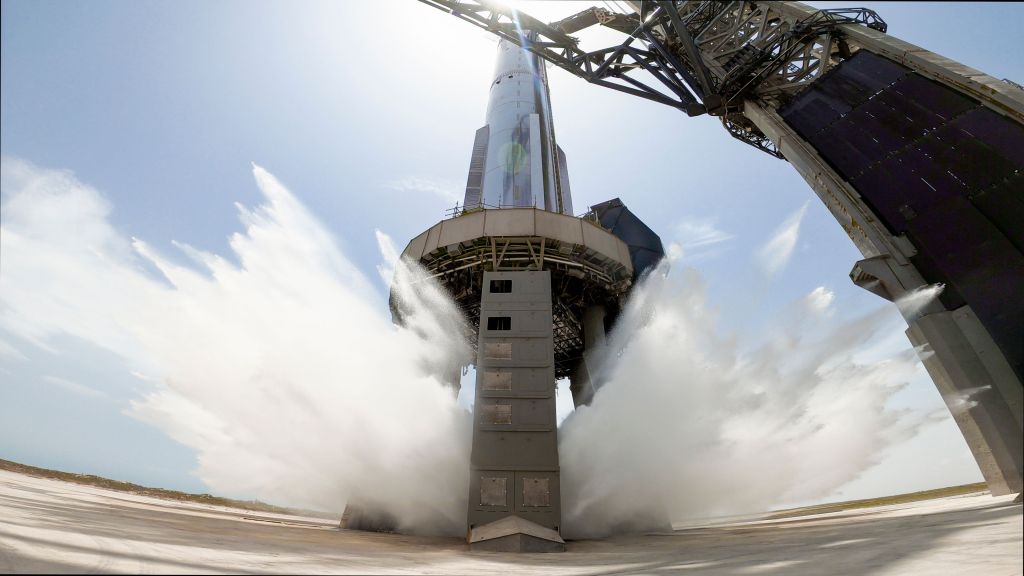
While the long-term vision centers on orbital infrastructure, both entities maintain distinct near-term objectives. SpaceX continues development of its Starship platform for lunar and Martian missions, while xAI competes directly with leading AI providers including Google DeepMind and OpenAI in the foundation model space.
The Washington Post reported that operational pressures have led to policy adjustments regarding xAI's Grok chatbot, raising concerns about content moderation and safety protocols in AI-generated media.
Sources: