Elon Musk Unveils Ambitious Lunar AI Manufacturing Vision Amid xAI Leadership Exodus
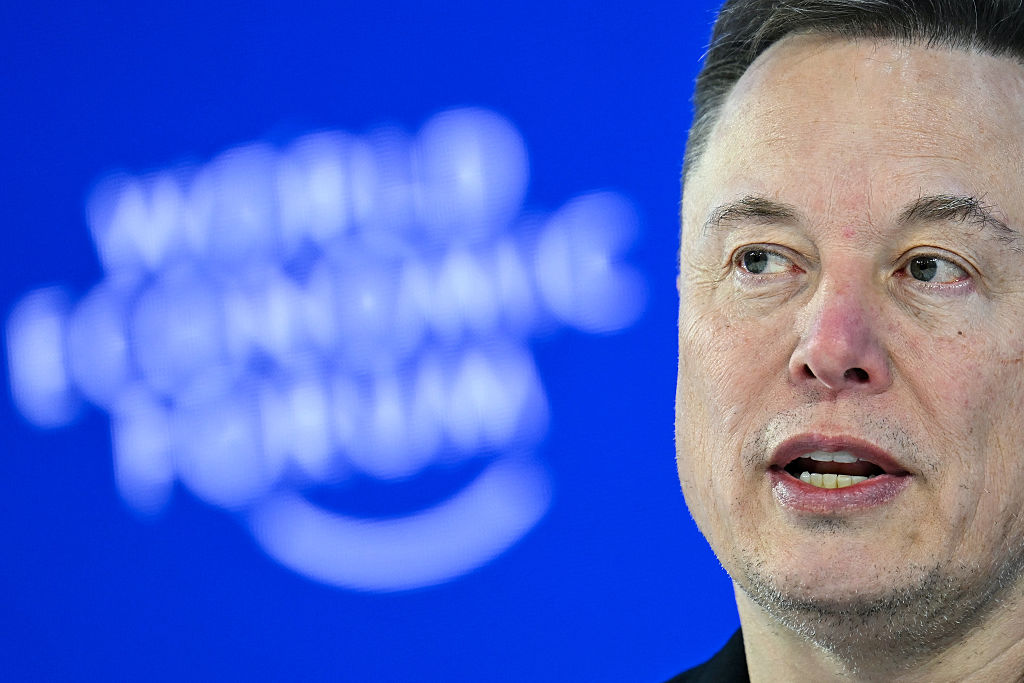
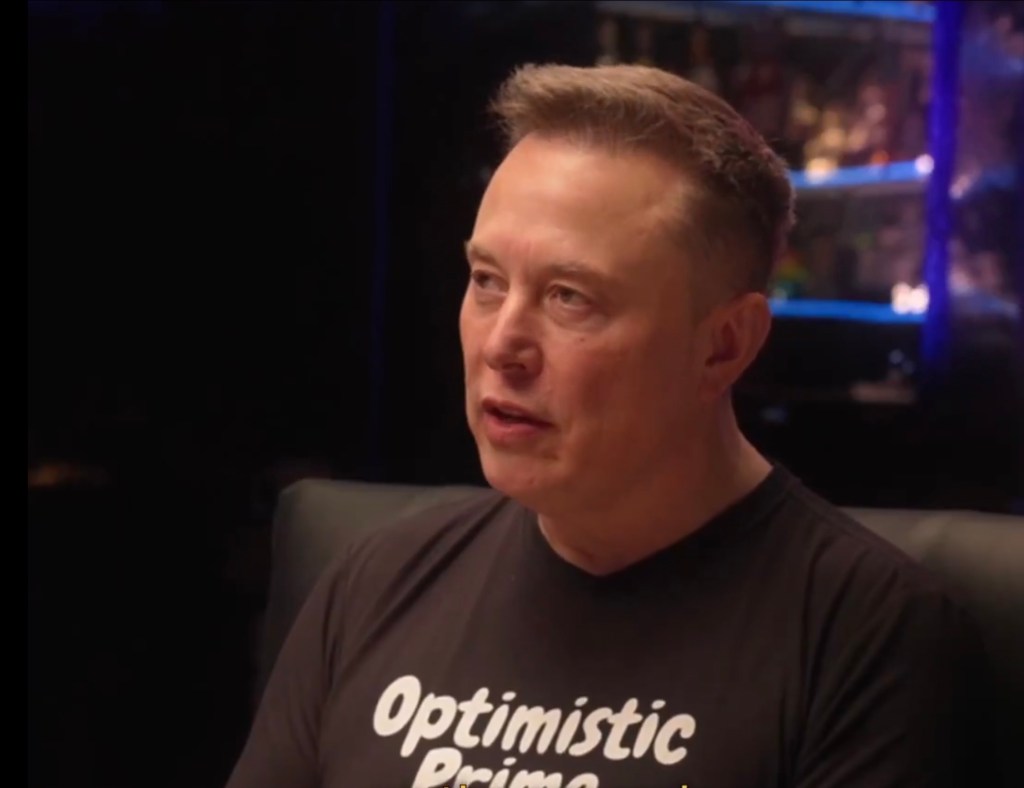
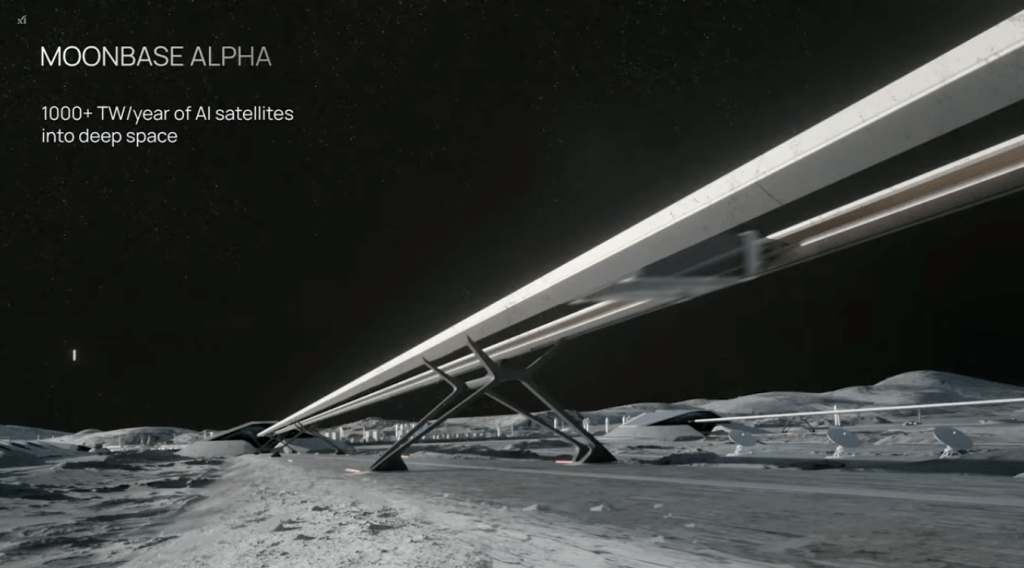
During a company-wide all-hands meeting on Tuesday evening, Elon Musk outlined an ambitious vision for xAI's future that extends beyond Earth's orbit. The billionaire entrepreneur presented plans for establishing a lunar manufacturing facility dedicated to producing AI satellites, which would be deployed into space using a large-scale catapult system.
"You have to go to the moon," Musk reportedly told employees, explaining that this strategic move would position xAI to harness computational resources exceeding those of any competitor. He emphasized the transformative potential of such infrastructure, stating, "It's difficult to imagine what an intelligence of that scale would think about, but it's going to be incredibly exciting to see it happen."
However, the meeting notably lacked concrete details regarding:
• Implementation methodology and technical specifications• Organizational restructuring plans for the recently merged xAI-SpaceX entity
• Roadmap alignment with the anticipated IPO
Musk did acknowledge the company's current state of flux, asserting that xAI is moving faster than any competitor in the technology sector. He noted that rapid evolution sometimes necessitates personnel changes, as individuals suited for early-stage operations may not align with later-stage requirements.
The timing of this all-hands meeting is particularly noteworthy. Just prior to the gathering, two co-founders departed xAI: Tony Wu announced his exit on Monday evening, followed by Jimmy Ba—who reported directly to Musk—less than 24 hours later. This brings the total to six of xAI's twelve founding members who have left the organization since its inception.
While all departures have been characterized as amicable, and the upcoming SpaceX IPO targeting a $1.5 trillion valuation this summer promises substantial financial returns for departing stakeholders, the exodus raises questions about organizational stability.
The lunar focus represents a significant strategic pivot for the SpaceX ecosystem. For most of SpaceX's 24-year history, Mars colonization served as the primary objective. However, just days before the all-hands meeting, Musk announced that SpaceX had "shifted focus to building a self-growing city on the Moon," citing a more achievable 10-year timeline compared to Mars's 20+ year horizon.
According to sources familiar with the investment thesis, the lunar ambitions are intrinsically linked to xAI's core mission rather than serving as a distraction. The strategy centers on developing the world's most powerful world model—an AI system trained on proprietary real-world data from Musk's entire corporate ecosystem:
• Tesla: Energy systems and road topology data• Neuralink: Neural interface and brain activity data
• SpaceX: Physics and orbital mechanics data
• The Boring Company: Subsurface geological data
• Lunar operations: Extraterrestrial manufacturing and deployment data
The legal framework supporting these ambitions rests on the 1967 Outer Space Treaty and subsequent 2015 U.S. legislation. While the treaty prohibits sovereign claims over celestial bodies, the 2015 law permits ownership of extracted resources. As space ethics scholars have noted, this distinction is somewhat nebulous—analogous to claiming you cannot own a house but can possess its constituent materials.
This legal scaffolding remains contentious, with major space powers including China and Russia declining to recognize these frameworks. As xAI's founding team continues to contract and implementation details remain undefined, questions persist regarding execution capability and whether this strategic direction will ultimately benefit or complicate the company's trajectory toward its historic IPO.