Avalanche Energy Raises $29M to Develop Compact Desktop-Scale Fusion Reactors
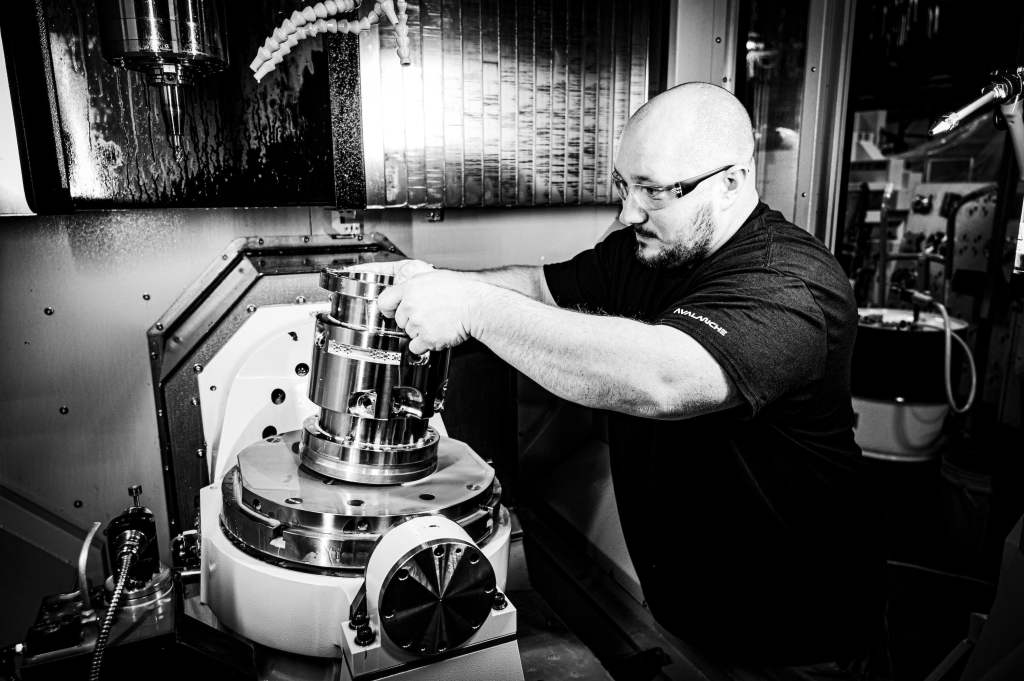
Avalanche Energy is challenging conventional approaches in the nuclear fusion industry by pursuing a radically miniaturized reactor design. Co-founder and CEO Robin Langtry advocates for a smaller-scale approach that enables rapid iteration and accelerated learning cycles.
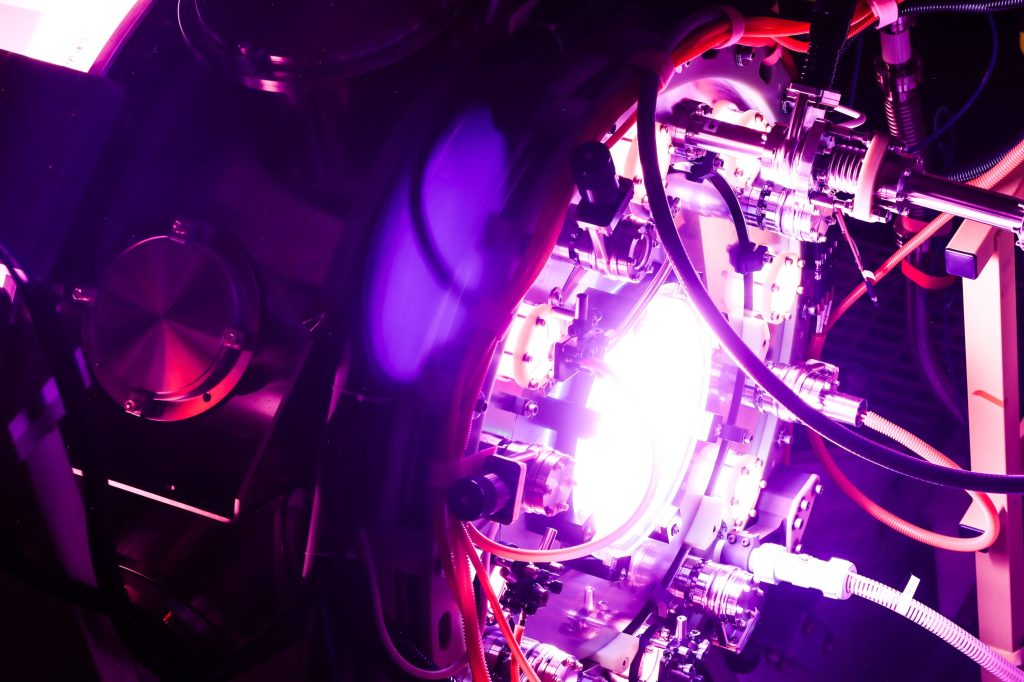
For several years, Langtry and his team at Avalanche have been developing what can be described as a desktop-scale nuclear fusion device. "We're using the small size to learn quickly and iterate quickly," Langtry explained. This methodology contrasts sharply with the massive tokamak reactors and high-powered laser arrays typically associated with fusion research.
Technical Approach and Innovation
While fusion power promises abundant clean energy generation, the field faces significant technical challenges. The fundamental objective remains harnessing solar-like fusion reactions by heating and compressing plasma to sufficient conditions for atomic fusion and energy release.
The fusion industry presents formidable obstacles: complex physics, advanced materials science requirements, and substantial power demands. Precision manufacturing at scale typically prohibits rapid experimental iteration—a constraint Avalanche seeks to overcome.
Avalanche's technical approach differs from mainstream fusion methodologies:
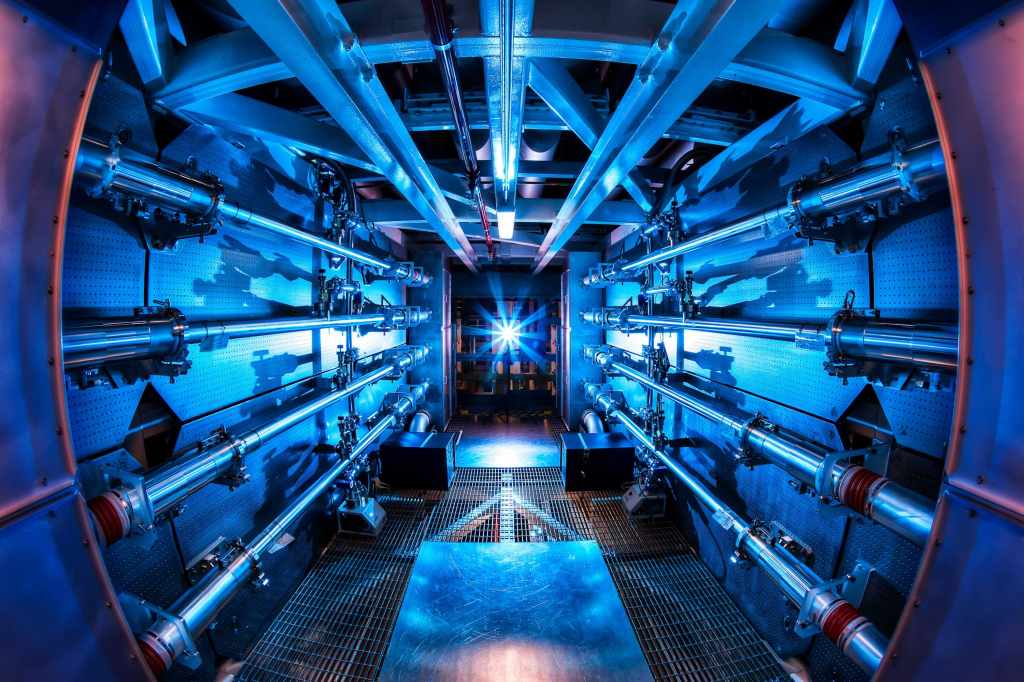
• Commonwealth Fusion Systems (CFS) employs high-strength magnets for plasma confinement in tokamak configurations• Inertial confinement facilities utilize powerful laser arrays for fuel pellet compression
• Avalanche leverages extremely high-voltage electric current to induce plasma particle orbits around a central electrode, supplemented by magnetic field stabilization
As orbital radius decreases and particle velocity increases, fusion reactions occur through high-energy collisions.
Funding and Investment
The company recently secured $29 million in a funding round led by R.A. Capital Management, with participation from 8090 Ventures, Congruent Ventures, Founders Fund, Lowercarbon Capital, Overlay Capital, and Toyota Ventures. Total capital raised now stands at $80 million—a relatively modest sum compared to competitors that have raised hundreds of millions to billions of dollars.
Development Philosophy and Timeline
Langtry's experience at Blue Origin, Jeff Bezos's aerospace venture, significantly influenced Avalanche's development methodology. "We've figured out that using this sort of SpaceX 'new space' approach is that you can iterate really quickly, you can learn really quickly, and you can solve some of these challenges," stated Langtry, who previously worked alongside co-founder Brian Riordan at Blue Origin.
The compact form factor enables unprecedented iteration velocity, with the company conducting device modifications up to twice weekly—a cadence impossible with large-scale systems.
Current reactor dimensions measure just 9 centimeters in diameter. The next-generation design will expand to 25 centimeters and target approximately 1 megawatt output. According to Langtry, this scaling "is going to give us a significant bump in confinement time, and that's how we're actually going to get plasmas that have a chance of being Q>1." In fusion terminology, Q represents the power gain ratio; Q>1 indicates net energy production beyond breakeven.
FusionWERX Testing Facility
Experimental work proceeds at Avalanche's FusionWERX commercial testing facility, which the company also leases to competitors. By 2027, the facility will obtain tritium handling certification—a critical isotope used as fusion fuel and essential for grid-scale power generation strategies across the industry.
While Langtry declined to specify a target date for achieving net energy gain (Q>1), he believes Avalanche operates on a comparable timeline to competitors including CFS and Sam Altman-backed Helion. "I think there's going to be a lot of really exciting things happening in fusion in 2027 to 2029," he projected.