Waymo Closes the Gap with Uber in Ride Pricing: Emerging Trends in Autonomous Vehicles
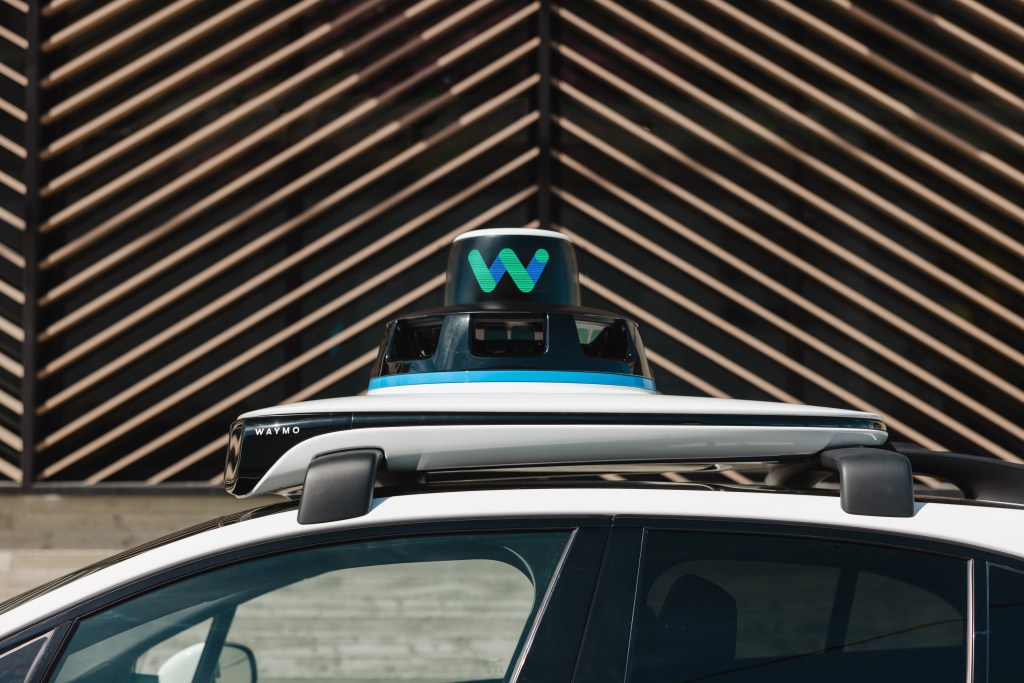
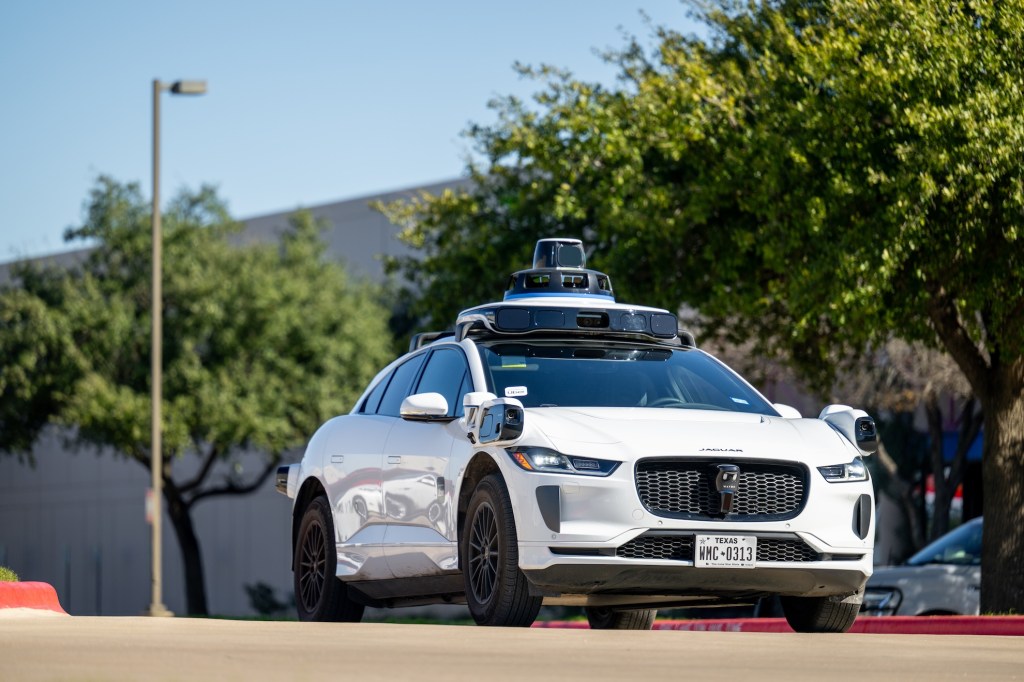
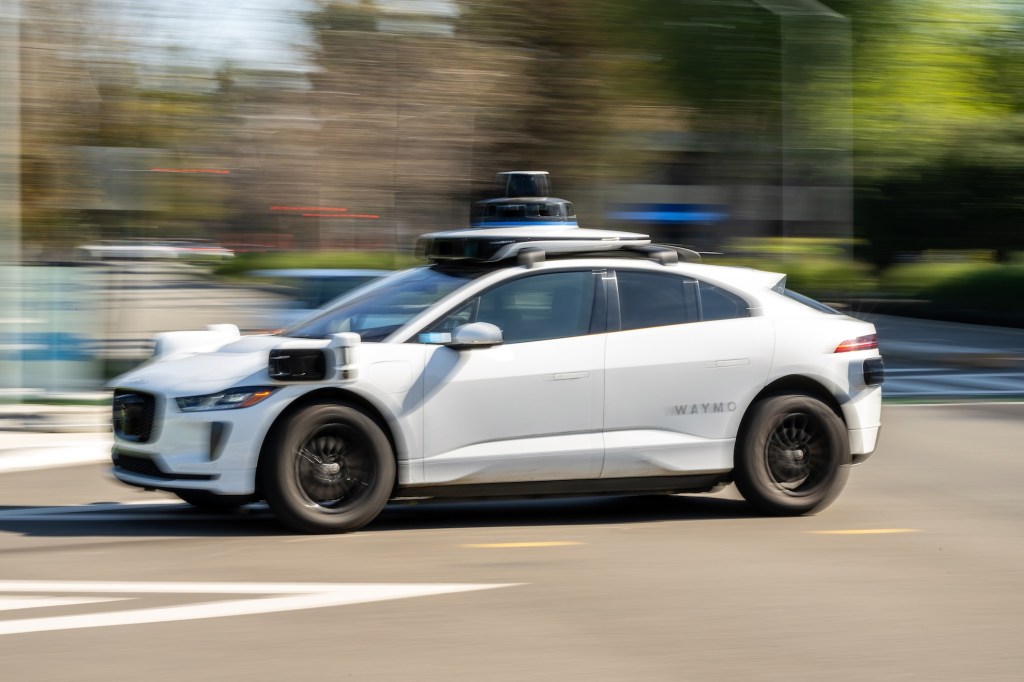
The competitive landscape of ride-hailing is witnessing a notable shift as Waymo's autonomous rides draw closer in price to traditional services like Uber and Lyft. According to new data published by Obi, Waymo's price reduction in the San Francisco Bay Area has been significant, while Uber and Lyft have seen price increases.
Between November 27 and January 1, over 94,000 simulated ride requests were analyzed, revealing that Waymo rides averaged $19.69. In comparison, Uber rides were slightly cheaper at $17.47, and Lyft rides came in at $15.47 on average. An earlier report from June showed a higher price for Waymo at $20.43, while Uber and Lyft were priced at $15.58 and $14.44, respectively.
The narrowing price gap indicates a strategic adjustment by Waymo to remain competitive, especially as the initial novelty of autonomous vehicles begins to fade. Obi's CEO Ashwini Anburajan emphasizes that Waymo may need to continue this trend to maintain market interest.
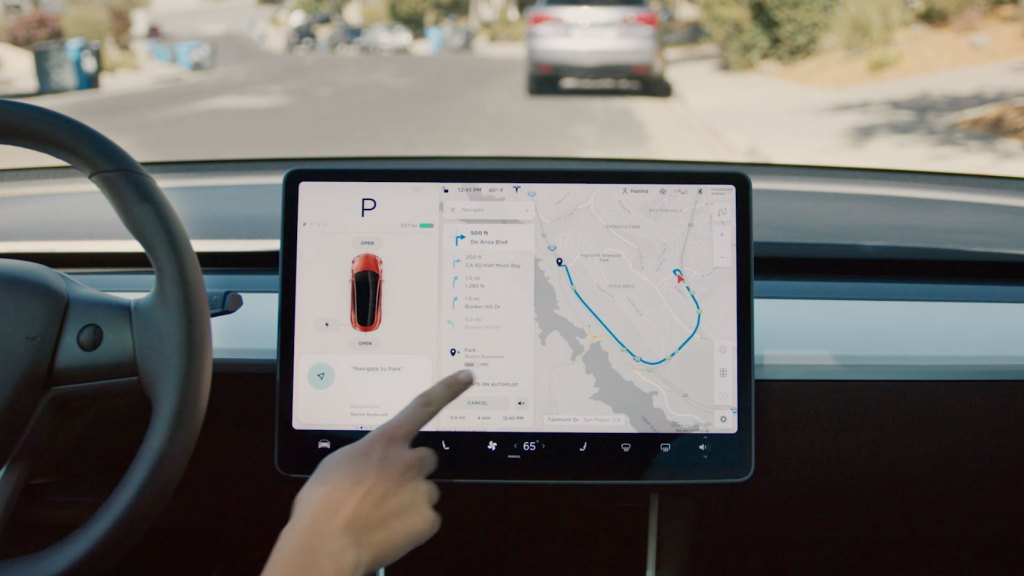
Meanwhile, Tesla's emerging presence in the robotaxi market presents a wildcard. Although not officially operating in the San Francisco area due to regulatory constraints, Tesla's rides, driven by employees using Full Self-Driving software, appear to offer a cost-effective alternative. Tesla's fleet, however, remains limited, with 168 vehicles logged by Robotaxi Tracker, though only 156 were active at the time of data sampling.
Among the ride-hailing services surveyed, Tesla had the longest wait time at 15.32 minutes. Waymo, Lyft, and Uber had average wait times of 5.74, 5.14, and 3.15 minutes, respectively. These dynamics suggest that if Tesla can scale its fleet, it could potentially offer even more competitive pricing, leveraging its camera-only technology compared to Waymo's sensor-equipped vehicles.
Consumer preference surveys conducted by Obi indicate a strong brand affinity for Tesla, especially among men, despite its limited autonomous capabilities. Tesla was the preferred choice for 31% of respondents who had experienced autonomous rides, although Waymo remained the most favored at 39.8%.
Looking ahead, the realm of autonomous vehicles is poised for rapid evolution. Waymo is expanding into new markets, even collaborating with Uber and Lyft. Tesla, on the other hand, is likely to continue refining its approach, aiming to establish a larger footprint in the robotaxi domain. Waymo's upcoming vehicle, Ojai, developed with Zeekr, promises a cost-effective alternative that could further intensify price competition.
Other players like Nuro, Motional, and Avride are also gearing up to launch their own services, signaling a burgeoning era of autonomous mobility. As Anburajan notes, the race is on to capture market share in this transformative sector.
🔔 Stay tuned and subscribe →
Related news
Read more on our blog

Try these AI tools
Explore AIPRM: the ultimate resource manager enhancing ChatGPT with unique features, flexible pricin...
Competely offers AI-driven competitive analysis with comprehensive insights and easy export options....

Choose between I18nCore's Monthly Plan at €40 or Yearly Plan at €400 (20% off). Both include unlimit...