Linq Secures $20M Series A to Power AI Agent Integration in Native Messaging Platforms

Birmingham, Alabama-based startup Linq has successfully raised $20 million in Series A funding led by TQ Ventures, with participation from Mucker Capital and angel investors. The company is positioning itself as critical infrastructure for AI agents operating within native messaging applications.
Originally launched as a digital business card and lead capture tool, Linq has undergone several strategic pivots before identifying a significant market opportunity: enabling businesses to communicate with customers through iMessage and RCS (Rich Communication Services) rather than traditional SMS channels.
The Blue Bubble Strategy
While Apple's Messages for Business and Twilio's $18.26 billion platform already facilitate business-to-consumer messaging, these solutions display messages in gray bubbles, clearly identifying them as corporate communications. Linq's API, launched in February 2025, enables companies to send blue-bubble messages that appear as authentic peer-to-peer communications, leveraging the full feature set of Apple's iMessage platform including:
• Group chat functionality
• Rich emoji support
• Threaded conversation replies
• Multimedia messaging (images and voice notes)
• Native platform integration
According to co-founder and CEO Elliott Potter, this approach resulted in Linq doubling its annual recurring revenue within eight months — matching what had been accumulated over the previous four years.
Pivot to AI Agent Infrastructure
The company's strategic direction shifted dramatically when AI assistant platform Poke approached Linq to utilize its messaging API. Poke's viral launch in September demonstrated substantial market demand for AI agents operating natively within messaging interfaces, triggering an influx of similar requests from AI companies.
"We still love our sales customers, and we love that use case, but our choices were, do we stay a spoke of this wheel, or do we build the hub? Do we focus on being the infrastructure layer for all these different applications of programmatic messaging?" Potter explained.
The thesis centers on reducing app fatigue by eliminating the need for standalone applications. Instead, AI assistants can operate entirely within users' existing messaging platforms, while developers bypass traditional app development in favor of messaging-native interfaces.
Market Traction and Metrics
Following its pivot to AI agent infrastructure, Linq reports:
• 132% customer base expansion quarter-over-quarter
• 34% average account expansion
• 134,000 monthly active users engaging with AI agents via the platform
• 30+ million messages facilitated monthly
• 295% net revenue retention with zero churn
Platform Risk and Expansion Strategy
Linq's current dependence on Apple's iMessage platform presents inherent platform risk, particularly given precedents where major platforms have restricted third-party AI integrations. Additionally, iMessage's dominance is primarily limited to the U.S. market, while global users rely on WhatsApp, WeChat, Telegram, and Signal.
Potter acknowledges this limitation, stating the company's vision extends beyond messaging: "Our vision for the platform is everything you need to build conversational tech, and that's not limited to a few channels. Right now, we have programmatic voice, we have iMessage, RCS, SMS. That's just the beginning."
The roadmap includes expansion to Slack, email, Telegram, WhatsApp, Discord, and Signal, positioning Linq as omnichannel conversational infrastructure.
Capital Deployment
The $20 million Series A will fund:
• Engineering team expansion
• Go-to-market strategy development
• Platform technology enhancement
• Multi-channel integration capabilities
"By making AI-to-human communication as frictionless as texting a friend, Linq is enabling an entirely new category of companies," said Andrew Marks, co-founding Partner of TQ Ventures. "Linq's founding team is extraordinary, and we have no doubt in their ability to execute on this massive opportunity."
The company was founded by former Shipt executives Elliott Potter (CEO), Patrick Sullivan (CTO), and Jared Mattsson (President). Linq did not disclose its post-money valuation.
🔔 Stay tuned and subscribe →
Related news




Try these AI tools
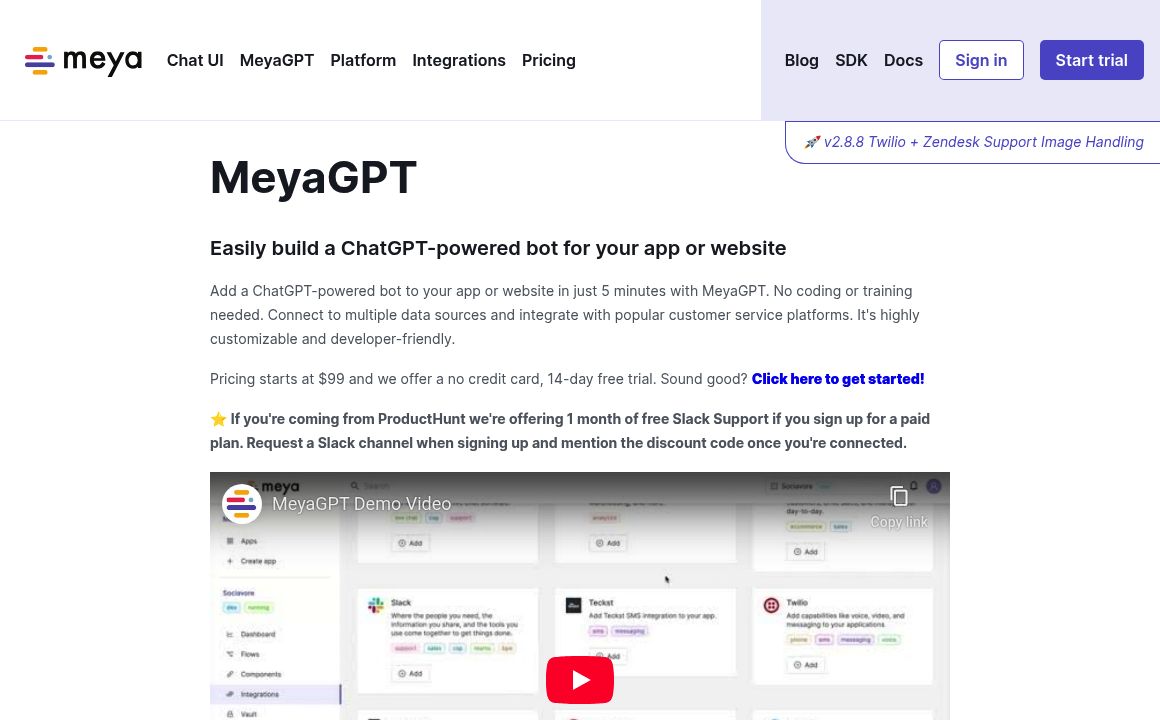
MeyaGPT is a conversational AI platform for automating customer support with advanced NLP.
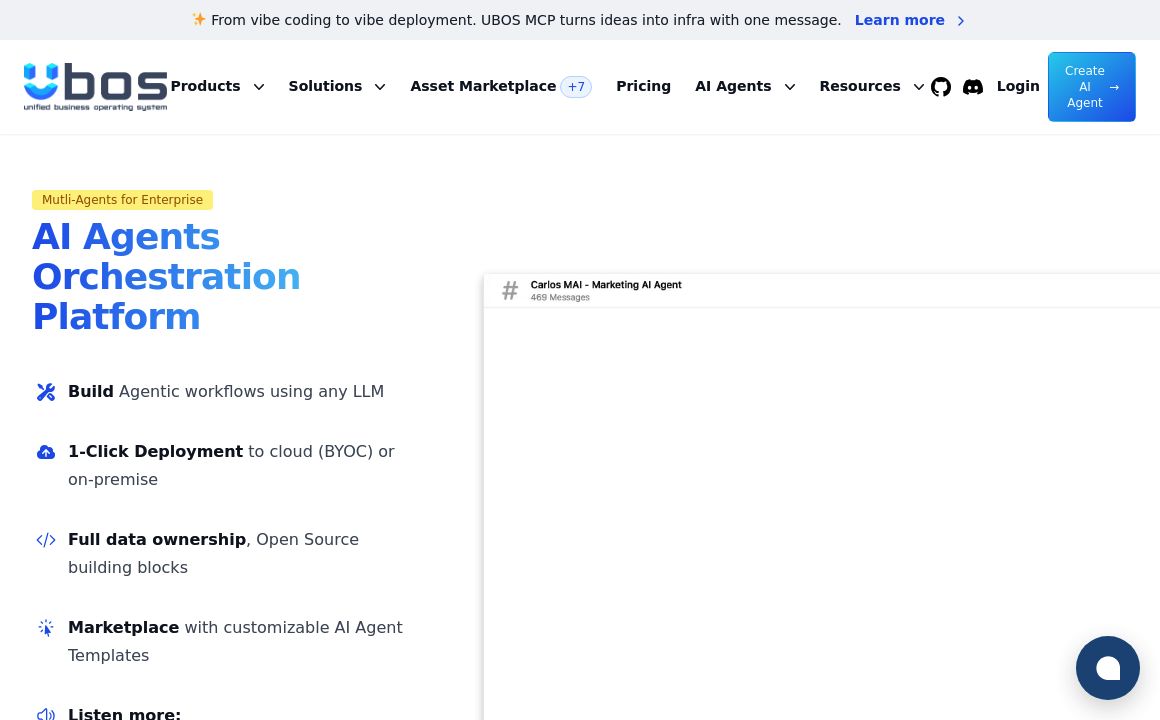
UBOS is a versatile development platform offering AI-driven, low-code/no-code solutions for startups...
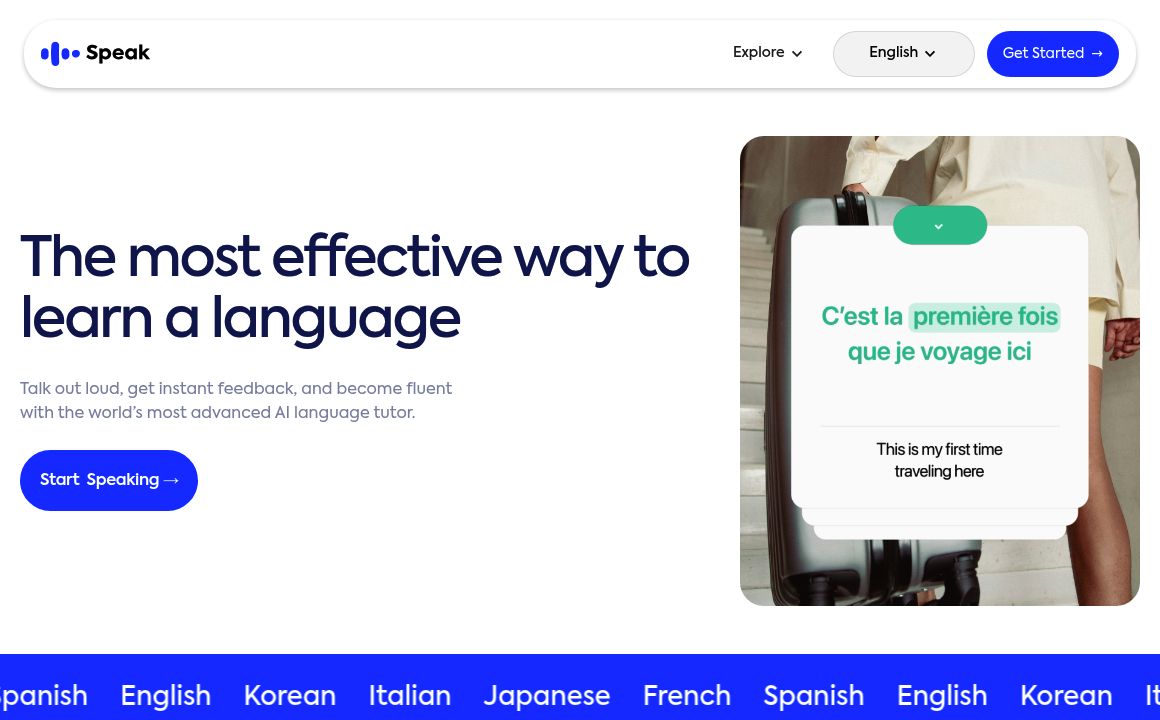
Speak is an AI language tutor with real-time feedback and personalized, speaking-first lessons for i...