
🚀 Building Scalable Web App Architecture in 2025: A Comprehensive Guide
As someone who's spent years in the trenches of web development and business automation, I've seen firsthand how crucial scalable architecture is for growing businesses. In 2025, with technology evolving at breakneck speed, having a web application that can scale seamlessly isn't just nice to have—it's essential for survival.
⚡ Why Scalability Matters for Your Business
Scalability isn't just technical jargon—it's directly tied to your bottom line. A scalable web app adapts to increased loads without performance drops, meaning your customers get consistent experiences even during traffic spikes. For e-commerce businesses especially, this translates to higher conversion rates and revenue.
I've worked with entrepreneurs who initially saved money with basic architecture, only to lose customers (and sleep) when their systems couldn't handle Black Friday traffic or a successful marketing campaign. The real cost wasn't just in lost sales but in damaged brand reputation.
☁️ Cloud-Native Architecture: The Foundation of Modern Scalability
The shift to cloud computing has revolutionized how we build scalable applications. Platforms like AWS, Azure, and Google Cloud offer elastic resources that automatically scale based on your actual needs—a game-changer for managing unpredictable traffic.
When I help businesses migrate to the cloud, they're often amazed at how quickly they can innovate while reducing operational headaches. Cloud services handle the heavy lifting of infrastructure management, letting you focus on your core business instead of server maintenance.
- ✅ Automatic scaling based on real-time demand
- ✅ Global distribution for faster loading worldwide
- ✅ Pay-for-what-you-use pricing that grows with your business
🧩 Microservices: Breaking Down the Monolith
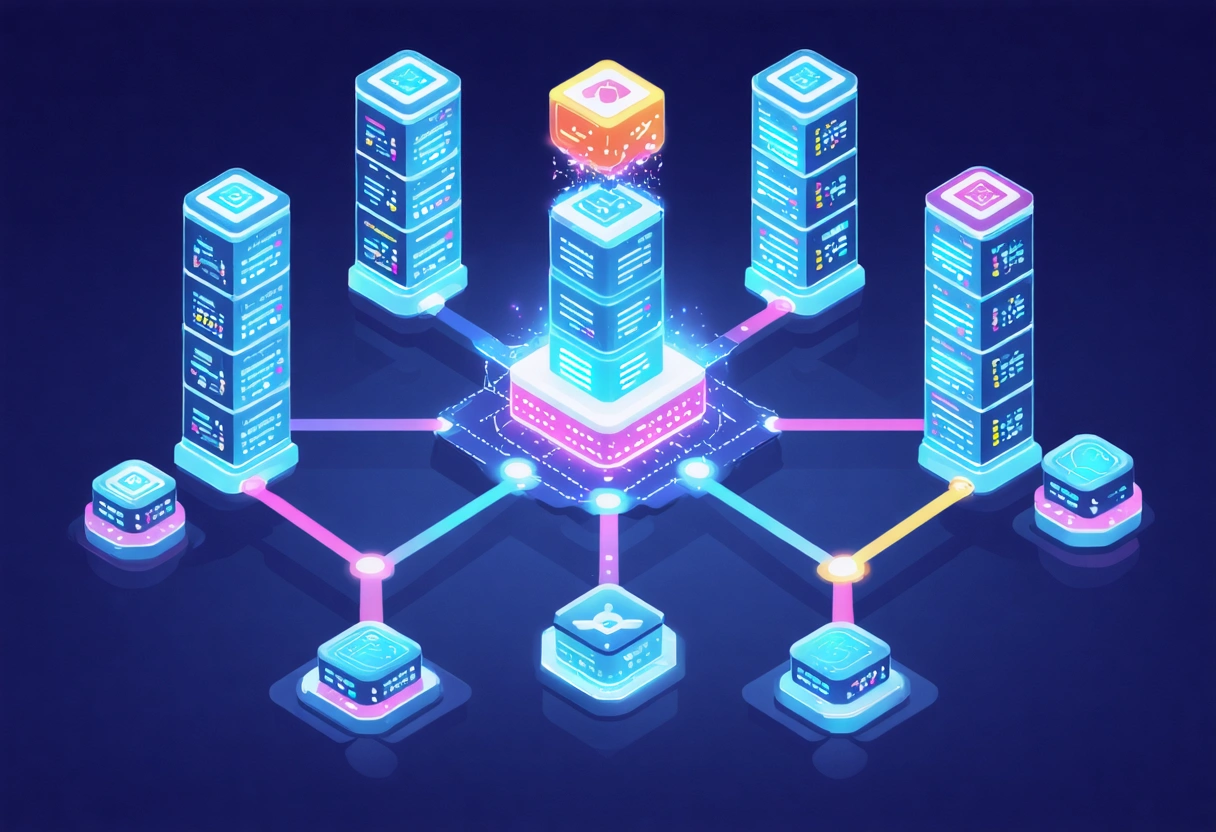
Remember when making a small change to your website required updating the entire system? Those days are gone for businesses embracing microservices architecture. By splitting applications into independent services, your team can scale, update, and troubleshoot specific components without disrupting the entire system.
In my automation work, I've seen e-commerce companies transform their operations by moving from monolithic platforms to microservices. Their product catalog service scales differently than their payment processing system, optimizing resources where they're needed most.
⚖️ Smart Load Handling: Keeping Your Site Responsive
Efficient load handling is where theory meets practice in scaling web applications. It's not enough to add more servers—you need intelligent systems that distribute traffic and prevent bottlenecks.
Here are the techniques I implement when optimizing for scalability:
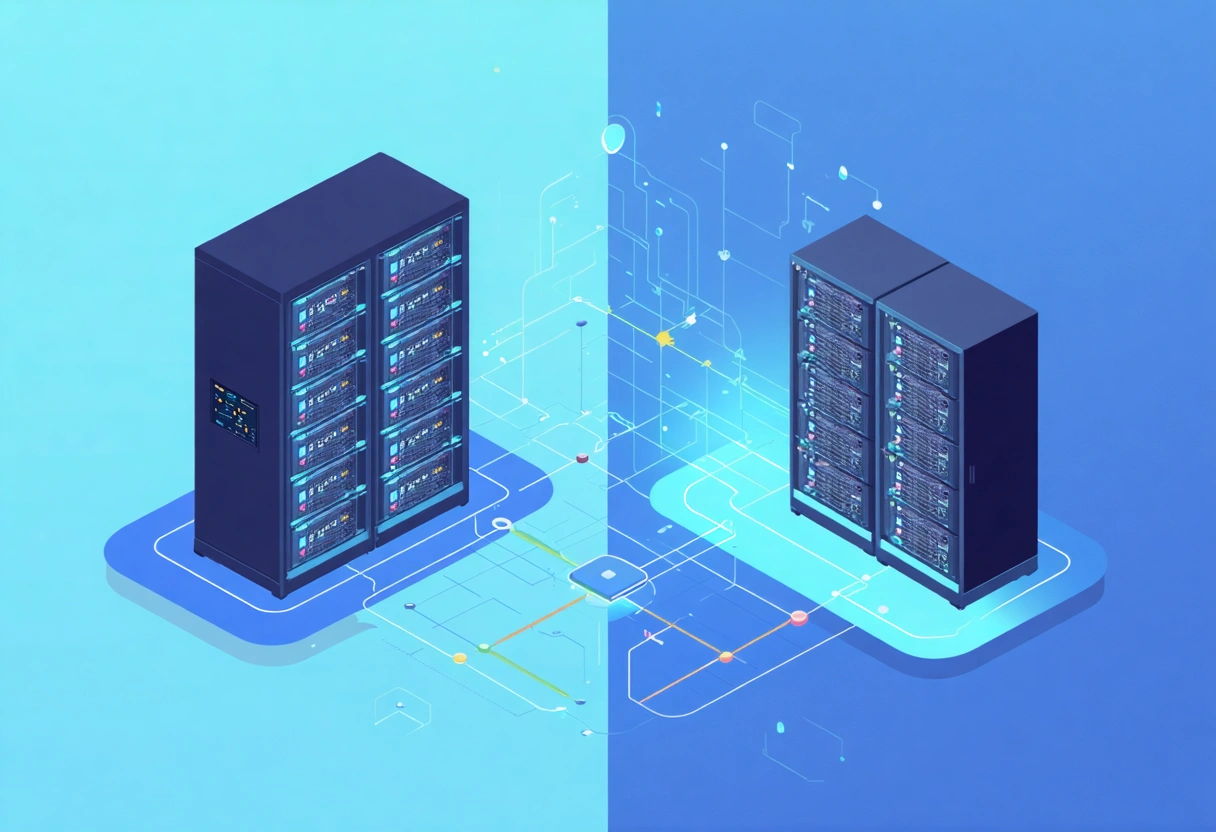
- 🔄 Load Balancing: Distributes traffic across multiple servers to prevent overloads
- ⚡ Caching: Stores frequently accessed data in memory for faster retrieval
- 📨 Asynchronous Processing: Moves heavy tasks to the background so they don't block user interactions
- 🛑 Rate Limiting: Protects your system from abuse or unexpected traffic surges
These aren't just technical optimizations—they directly impact user experience and SEO. Faster response times improve your search rankings and reduce bounce rates, creating a virtuous cycle for organic traffic growth.
☁️ Serverless and Edge Computing: The Next Evolution
Serverless computing has matured into a powerful approach for scaling web applications. Rather than maintaining constantly running servers, your code executes on-demand, automatically scaling up or down based on usage. This eliminates the traditional capacity planning headaches that used to keep entrepreneurs up at night.
Edge computing takes this further by processing data closer to users, reducing latency for time-sensitive operations. For e-commerce sites, this means faster product searches, smoother checkout processes, and ultimately higher conversion rates.
🗄️ Database Strategies That Scale With Your Business
The database layer is often where scalability challenges first emerge. As someone who's dealt with database optimization for growing businesses, I can tell you that choosing the right approach early saves enormous headaches later.
Modern scalable architectures typically use a mix of:
- 📊 Sharding: Spreading data across multiple database instances
- 🔄 NoSQL Databases: Flexible schemas suited for rapidly changing data requirements
- 🌐 Data Replication: Creating redundant copies across regions for reliability and speed
The right solution depends on your specific business needs—there's no one-size-fits-all approach. An e-commerce site with millions of product variations has different database requirements than a SaaS platform focused on customer analytics.
🔒 Security in Scalable Systems: Growing Safely
As your web application scales, so does its attack surface. I've seen too many businesses focus entirely on growth while neglecting security, only to face devastating breaches later.
Security must be embedded throughout your architecture, with particular attention to:
- 🔑 API Security: Protecting communication between services
- 🔐 Data Encryption: Safeguarding sensitive information at rest and in transit
- 👤 Identity Management: Controlling who has access to what resources
- 👁️ Continuous Monitoring: Detecting and responding to threats in real-time
The most scalable architectures balance performance with protection, ensuring your business can grow without exposing itself to unnecessary risks.
📊 Monitoring and Observability: Seeing the Whole Picture
You can't optimize what you can't measure. In my work with e-commerce and SEO automation, I've found that comprehensive monitoring is essential for maintaining scalable systems.
Modern observability tools provide real-time insights into your application's performance, helping you identify bottlenecks before they impact users. They also support SEO by ensuring your site meets the performance metrics Google uses for ranking, like Core Web Vitals.
📋 Practical Steps for Implementing Scalable Architecture
If you're looking to build or redesign your web application for scalability, here's my practical advice based on years of helping businesses automate and optimize:
- 🔄 Start with clear capacity planning: Understand your current needs and growth projections
- 🛠️ Adopt infrastructure as code: Manage your cloud resources programmatically for consistency
- 🧪 Test scalability regularly: Don't wait for real traffic spikes to discover weaknesses
- 🚀 Implement CI/CD pipelines: Automate deployments to reduce human error
- 📱 Optimize for mobile: Mobile performance directly impacts SEO and conversions
Remember that scalability is a journey, not a destination. The best architectures evolve continuously, adapting to changing business needs and technological advancements.
🔮 The Future of Web App Architecture
Looking ahead, I see AI and machine learning playing increasingly important roles in scalable architectures. Predictive scaling based on historical patterns, automated optimization of resources, and intelligent security systems will give businesses unprecedented efficiency and resilience.
For entrepreneurs focused on e-commerce and SEO, these advancements mean more time to focus on strategy and growth, rather than worrying about whether their infrastructure can support success.
Conclusion: Scalability as a Business Advantage
Building a scalable web app architecture in 2025 isn't just about handling more users—it's about creating a competitive advantage. When your competitors' sites crash under heavy traffic, yours stays responsive. When they're dealing with technical debt, you're launching new features.
As someone who's helped numerous businesses automate their operations and optimize their online presence, I can tell you that the investment in scalable architecture pays dividends in customer satisfaction, operational efficiency, and ultimately, business growth.
The modern entrepreneur's most valuable asset isn't a fancy office or expensive equipment—it's the freedom to focus on vision and strategy while systems work reliably in the background. Scalable web architecture is a crucial part of creating that freedom.