

🏗️ How to Future-Proof Your Web Project: Building for Long-Term Success
During my 10 years running an IT company, I learned that creating web projects that stand the test of time goes far beyond just clean code. Future-proofing requires strategic planning around maintainability, scalability, and architecture that can evolve with technology.
Today, as I help entrepreneurs automate their businesses, I see how the same principles apply to any digital project. Let me share what I've learned about building web solutions that don't just work today but continue delivering value for years.
🧩 Building a Modular Architecture: Your Project's Foundation
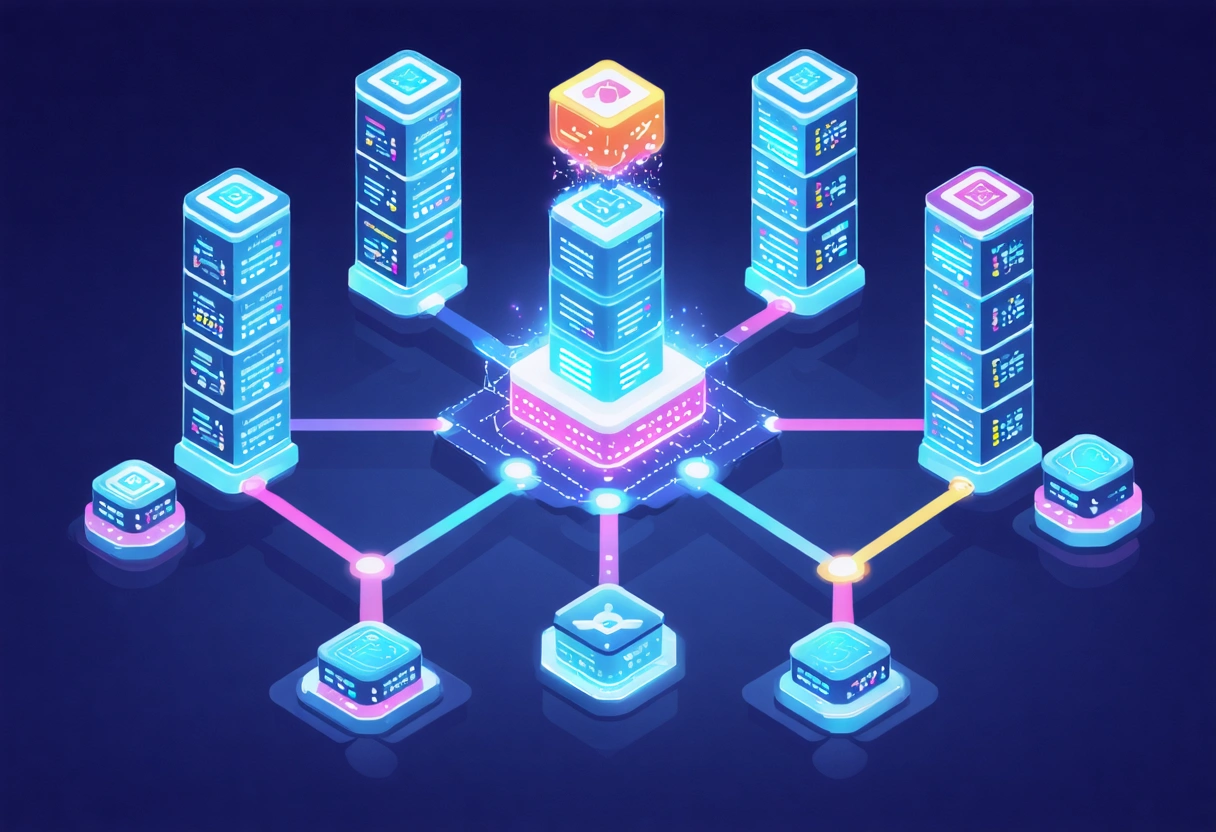
The foundation of any future-proof web project lies in its architecture. Just as entrepreneurs need to visualize all their business processes, web projects require clear structural planning:
- Embrace modularity - Break your project into independent, reusable components. This makes updates simpler and allows different team members to work simultaneously without conflicts.
- Implement layered structures - Separate your presentation, business logic, and data access layers. This clean separation makes maintenance dramatically easier.
- Choose proven design patterns - Patterns like MVC, MVVM, or microservices provide organizational frameworks that scale with complexity.
- Select technologies with strong communities - Just like in business networking, technology with active communities means better support and longevity.
🔧 Maintainability: Reducing Future Headaches
Maintainability is like business process automation – it's about reducing unnecessary work and stress. When I help entrepreneurs automate their businesses, we focus on eliminating repetitive tasks. The same applies to web development:
- Write clean, readable code - Use meaningful variable names and logical structure so any developer can quickly understand it.
- Document comprehensively - Detailed documentation minimizes reliance on tribal knowledge and helps new team members get up to speed.
- Implement automated testing - This ensures that updates don't break existing functionality, providing peace of mind with each change.
- Use version control effectively - Proper Git strategies keep development organized and make it easy to roll back problematic changes.
📈 Scalability: Preparing for Growth from Day One
Entrepreneurs understand that planning for growth is essential. The same applies to web projects – they must be able to handle increased load without performance issues:
- Design for statelessness - This enables easier horizontal scaling by simply adding more instances.
- Optimize database design - Choose the right database solution for your needs and implement proper indexing and caching.
- Consider microservices - For larger projects, breaking the application into independent services allows them to scale individually.
- Leverage cloud infrastructure - Modern cloud providers offer scalable resources that grow with your needs.
- Monitor performance continuously - Just as businesses track KPIs, web projects need performance monitoring to catch issues early.
🔄 Regular Updates: The Maintenance Cycle
Like business automation, future-proofing is never "set and forget" – it requires ongoing attention:
- Manage dependencies - Regularly audit third-party libraries and frameworks for security vulnerabilities and performance issues.
- Apply security patches promptly - Cybersecurity threats evolve constantly, making timely updates critical.
- Incorporate user feedback - Collect and analyze user behavior to prioritize meaningful improvements.
- Implement backup strategies - Regular backups and tested recovery procedures safeguard against data loss and downtime.
🔍 SEO Optimization: Future-Proofing Your Visibility
As someone who helps with SEO optimization, I know that maintaining discoverability is crucial for long-term web project success:
- Use semantic HTML and structured data - This helps search engines understand your content contextually.
- Prioritize mobile-first design - With mobile traffic dominating, responsive design with fast load times is essential for rankings.
- Optimize loading performance - Compress images, leverage browser caching, and minimize JavaScript.
- Focus on accessibility - Inclusive design improves rankings and ensures wider reach.
- Maintain clean URL structures - Descriptive URLs and updated meta information improve search performance.
🛠️ Modern Development Tools and Practices
Just as modern business tools streamline operations, contemporary development practices enhance efficiency:
- Implement CI/CD pipelines - Automated testing and deployment reduce errors and speed up delivery.
- Adopt containerization - Tools like Docker ensure consistency across environments and simplify scaling.
- Manage infrastructure as code - This automates provisioning and improves reliability.
- Consider JAMstack architecture - For appropriate projects, this approach can dramatically improve scalability and security.
🔮 Looking Ahead: Trends to Monitor
Entrepreneurs are always learning and discovering new things. In web development, staying ahead means watching these trends:
- Progressive Web Apps - These offer app-like experiences with offline capabilities.
- AI integration - Incorporating AI can enhance user engagement and operational efficiency.
- WebAssembly - This enables near-native performance for computation-heavy applications.
- Decentralized technologies - Exploring blockchain and related technologies may future-proof against central points of failure.
🎯 Conclusion: Building for Tomorrow
Future-proofing your web project is much like my approach to business automation – it's about visualizing processes, eliminating inefficiencies, and creating systems that adapt to change.
By focusing on modularity, maintainability, scalability, and continuous improvement, you create digital assets that deliver ongoing value despite technological shifts. This approach doesn't just save time and resources – it gives you the freedom to focus on innovation rather than firefighting.
Remember what I learned from my years as an entrepreneur: work should be just one part of a balanced life. Creating future-proof web projects means less stress about technical debt and more time to focus on what truly matters – growth, innovation, and the next big opportunity.