

🛠️ How to Choose the Right Tech Stack for Your Project: A Strategic Guide
Choosing the right tech stack is make-or-break for any software project. It's not just about picking trendy technologies—it's about finding the perfect combination of programming languages, frameworks, libraries, and tools that align with your business goals.
I've worked with countless entrepreneurs who struggled with tech stack decisions that later caused major headaches. Let me guide you through this critical process based on my decade of experience running my own IT company and helping businesses automate their operations.
🤔 What Exactly Is a Tech Stack?
Your tech stack is essentially the technological foundation of your application, divided into two main parts:
- Frontend (client-side): What users see and interact with—typically built with HTML, CSS, JavaScript, and frameworks like React, Angular, or Vue.js
- Backend (server-side): The behind-the-scenes machinery handling databases, authentication, and business logic—often using languages like Python, Ruby, Java, or Node.js with frameworks like Django, Rails, Spring, or Express
But it doesn't stop there. Your complete tech stack also includes databases (SQL or NoSQL), server infrastructure, DevOps tools, testing frameworks, and API integrations that tie everything together.
🏗️ Project Architecture: The Blueprint for Success
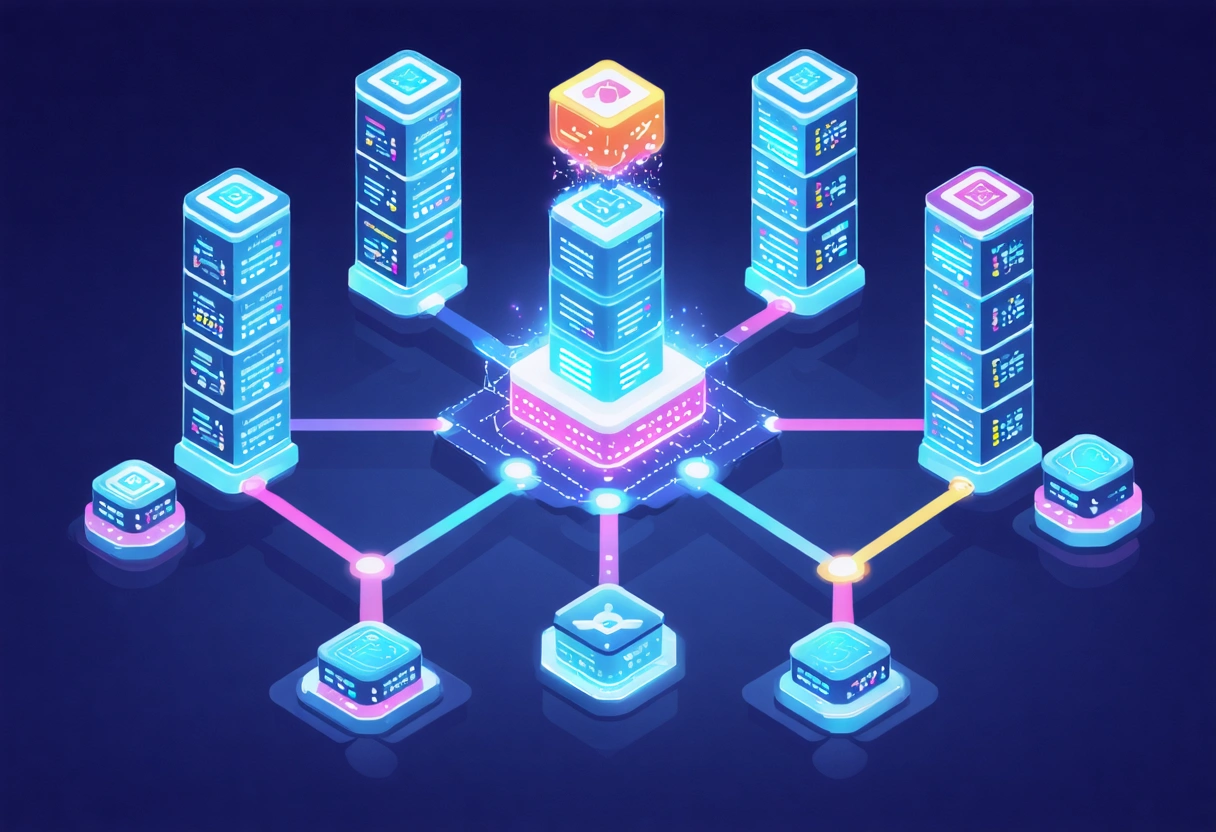
Architecture is to software what foundations are to buildings. It defines how components interact, how data flows, and ultimately determines your application's scalability.
When I work with business owners on automation projects, we always start by visualizing all the processes in their business. Similarly, you need to visualize your application's architecture before choosing technologies:
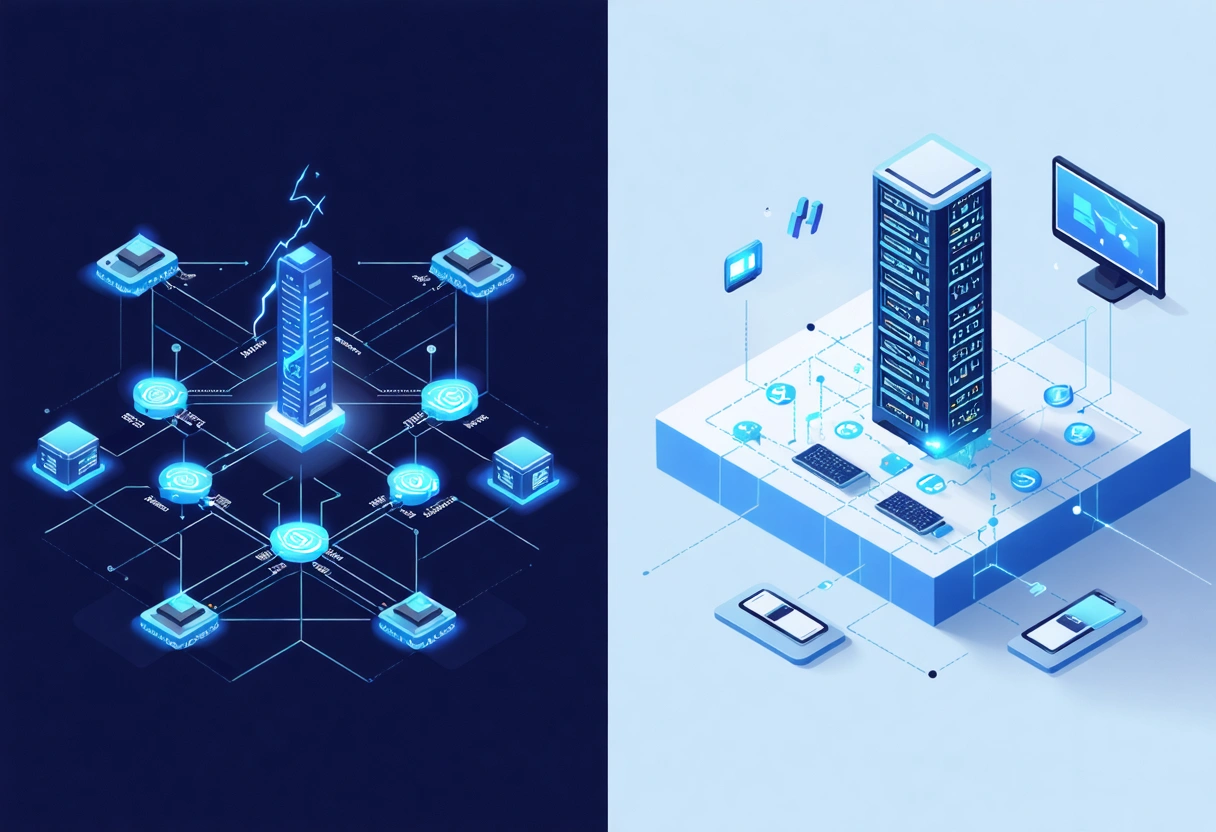
- Monolithic: Everything in one codebase (simpler, but less flexible)
- Microservices: Multiple independent services (more complex, but highly scalable)
- Serverless: Function-based with no server management
- Event-driven: Components communicate through events
Your architecture choice directly impacts which frameworks and languages will work best, so this decision comes first!
📋 7 Critical Factors for Selecting Your Tech Stack
1. Project Requirements and Business Goals
Just like entrepreneurs need to understand their market before launching, developers need crystal-clear project requirements before choosing technologies. Ask yourself:
- Are you building an e-commerce platform, content site, real-time app, or data analytics tool?
- What performance characteristics are non-negotiable?
- How will this technology support your business model?
Real-time applications might need Node.js or Elixir for low latency, while data-heavy platforms could benefit from Python's scientific computing ecosystem.
2. Development Team Expertise
This is similar to how entrepreneurs must leverage their team's strengths. Your tech stack should align with your developers' skills.
If your team excels in JavaScript, a full JavaScript stack (like MERN or MEAN) might be ideal. Forcing developers to work with unfamiliar technologies is a recipe for delayed launches and buggy code.
When hiring new developers, also consider the talent market. Popular technologies make recruitment easier and onboarding faster.
3. Community Support and Ecosystem
A vibrant community means better documentation, more libraries, and faster problem-solving. When evaluating frameworks and languages, check:
- Size and activity of Stack Overflow and GitHub communities
- Frequency of updates and releases
- Available third-party tools and integrations
- Quality of documentation
Community support is like business networking—it amplifies what you can accomplish and provides safety nets when challenges arise.
4. Scalability and Performance
Even if you're starting small, think big. Choose technologies that can grow with your success—just like how smart entrepreneurs plan for business expansion from day one.
Languages like Go and frameworks like Spring Boot offer exceptional performance at scale. Others might excel at rapid development but struggle under heavy loads. Consider both your current needs and future growth trajectory.
5. Security Considerations
Security isn't an afterthought—it's a foundation. Some frameworks offer built-in protections against common vulnerabilities like SQL injection or CSRF attacks.
Evaluate how easily your tech stack integrates with security best practices and tools. Remember that security breaches can devastate even the most promising businesses.
6. Development Speed and Time to Market
For entrepreneurs, timing can be everything. If rapid market entry is crucial, prioritize frameworks known for development speed:
- Ruby on Rails or Laravel for rapid prototyping
- Django for quick development with built-in admin functionality
- Next.js or Gatsby for fast frontend development
Just ensure this speed doesn't come at the expense of future maintainability or scalability.
7. Budget Constraints
Your tech stack affects costs in multiple ways:
- Developer salaries (some specializations command higher pay)
- Licensing fees for proprietary technologies
- Infrastructure and hosting costs
- Third-party service integrations
Open-source options can reduce upfront costs, but consider the total cost of ownership, including maintenance and developer resources.
💼 Popular Tech Stacks Worth Considering
Here are some battle-tested combinations that work well for different project types:
- MEAN Stack: MongoDB, Express.js, Angular, Node.js—great for dynamic single-page applications
- MERN Stack: MongoDB, Express.js, React, Node.js—similar to MEAN but with React's component-based approach
- LAMP Stack: Linux, Apache, MySQL, PHP—a reliable classic for traditional web applications
- Django Stack: Python, Django, PostgreSQL—excellent for data-heavy applications and rapid development
- JAMstack: JavaScript, APIs, Markup—perfect for high-performance, secure websites
Remember, these are starting points, not rigid prescriptions. The best tech stack is one customized to your specific needs.
🧠 A Systematic Decision-Making Process
Just as I help entrepreneurs visualize and improve their business processes, let me share a methodical approach to tech stack selection:
Step 1: Document Requirements and Constraints
Create a comprehensive list of technical requirements, expected user load, necessary integrations, security needs, and business goals. Note any non-negotiable constraints like deadlines, budget limitations, or technology preferences.
Step 2: Evaluate Candidate Technologies
Based on your requirements, create a shortlist of potential languages and frameworks. Consider their ecosystem fit, community support, and suitability for your problem domain.
Step 3: Build Small Prototypes
Nothing beats hands-on experience. Create small proof-of-concept modules with your candidate technologies to test their performance, ease of use, and integration capabilities.
Step 4: Analyze Long-Term Viability
Consider each technology's future outlook. Is it gaining or losing popularity? How frequently is it updated? Will it be maintained for years to come?
Step 5: Gather Team Feedback
Involve your development team in the evaluation process. Their practical insights about development experience, debugging tools, and potential pitfalls are invaluable.
Step 6: Make a Balanced Decision
Weigh all factors—technical excellence, team capability, business requirements, and constraints—to make your final decision.
🎯 Conclusion: It's About Balance, Not Perfection
Choosing the right tech stack is similar to how entrepreneurs must balance numerous responsibilities and make tough decisions daily. There's rarely a perfect solution—just the best option for your specific circumstances.
The modern luxury in technology isn't having the trendiest stack—it's having one that reliably solves your business problems while allowing your team to focus on innovation rather than fighting technical debt.
By approaching tech stack selection strategically, you create a solid foundation for building scalable, maintainable applications that support your business goals and delight your users. And most importantly, you'll save yourself countless hours of future headaches and potential burnout from struggling with the wrong technologies.
Remember: work (including development work) is only part of life—it shouldn't consume 100% of it. The right tech stack helps maintain that balance by making development more efficient and maintenance less stressful.