
Why Every Startup Needs a Design System From Day One 🚀
During my 10 years running an IT company, I noticed something interesting about successful startups – they prioritize design systems early. This isn't just designer perfectionism; it's a strategic business decision with massive ROI potential.
For entrepreneurs juggling thousands of processes and responsibilities, a design system provides structure that reduces decision fatigue and creates breathing room for innovation.
What Exactly Is a Design System? 🤔
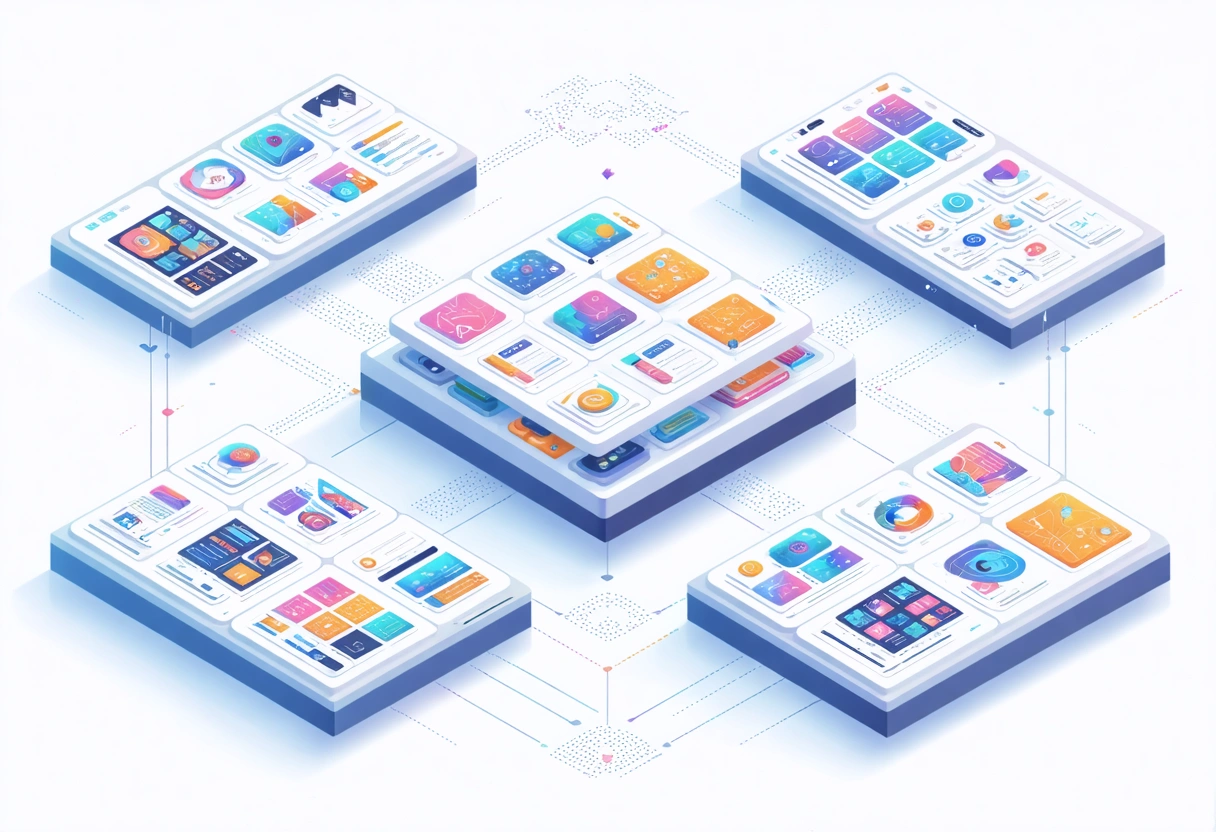
Think of a design system as your startup's visual operating system – more than just colors and logos. It's an integrated framework combining UI patterns, design principles, branding standards, and reusable components that everyone on your team can follow.
When I help businesses with automation and process optimization, establishing design systems is often a critical early step that pays dividends throughout the company's growth journey.
UI Consistency: Building User Trust 👁️
Startups undergo rapid iterations and pivots – that's normal. But without a unified design system, your UI quickly becomes fragmented, confusing users and weakening your brand message.
I've seen countless entrepreneurs struggle with this. Their products feel disjointed because different team members created different interfaces with no common language. A design system ensures every button, icon, font style, and color adheres to a single, coherent standard – building trust through consistency.
Accelerated Development: Move Faster With Less Stress ⚡
For entrepreneurs, time is the ultimate currency. A well-structured design system dramatically reduces the time spent on repetitive tasks.
- Create components once, reuse everywhere
- Eliminate redundant design and development work
- Focus innovation where it matters most
- Reduce communication overhead between teams
This modular approach is exactly what I implement when automating business processes for clients – creating reusable solutions that eliminate routine tasks and free up creative energy.
Branding Power: Stand Out in Crowded Markets 💎
Strong branding gives startups a competitive edge, particularly in saturated markets. Your design system codifies your brand's visual language across all touchpoints – website, apps, marketing materials, social media.
I've worked with entrepreneurs who struggled to maintain brand consistency as they scaled. Those who invested in proper design systems early found it significantly easier to create coherent customer experiences that reinforced their unique market position.
Built for Scale: Future-Proofing Your Growth 📈
What works with a small team often breaks down as you grow. Without a design system, adding new features or onboarding additional team members creates inconsistency and technical debt.
In my experience helping businesses visualize and optimize processes, scalability is always a primary concern. A robust design system provides this scalability naturally through modular, adaptable components that evolve with your product.
Component-Driven Development: The Building Blocks of Success 🧩
Components are the heart of any design system – buttons, forms, navigation menus, cards, and other UI elements that combine to create your interface.
For startups, investing time early in component creation means:
- Minimizing future design discrepancies
- Streamlining development handoffs
- Creating a shared visual vocabulary
- Enabling rapid prototyping and testing
When I help entrepreneurs build automation systems, we focus on creating similar modular components for their business processes – reusable pieces that maintain consistency while accommodating different use cases.
Better Team Collaboration: Breaking Down Silos 🤝
A common issue I see with growing startups is communication breakdown between departments. Designers and developers work in silos, creating friction and inefficiency.
A shared design system acts as a single source of truth that everyone can access and understand. This transparency reduces misunderstandings and streamlines feedback loops – just like the process diagrams I create with clients to visualize their business operations.
Evolving User Experience: Mature Products That Users Love ❤️
As startups collect user data and iterate, the interface needs to evolve without alienating existing customers. A design system supports this evolution by providing a flexible yet consistent framework for updates.
This is similar to how I help businesses gradually refine their automation systems – making improvements without disrupting the core processes that users already understand.
SEO Benefits: Indirect But Significant 🔍
While SEO is primarily driven by content and technical factors, design systems contribute significantly to digital presence through:
- Faster page load times from optimized components
- Consistent responsive design for mobile-friendliness
- Improved accessibility standards
- Better user engagement metrics that search engines value
For e-commerce businesses especially, these factors directly impact conversion rates and search rankings.
Implementation Best Practices: How to Start Right 🚦
Based on my experience helping businesses implement systems and automation, here are my recommendations for startups creating design systems:
- Start small and iterate – Begin with essential components, then expand
- Ensure cross-functional collaboration – Involve all stakeholders from day one
- Use modern tools – Leverage Figma, Storybook, or Zeroheight
- Document thoroughly – Create clear guidelines and examples
- Prioritize accessibility – Build inclusive products from the beginning
- Align with branding – Reflect your company's mission and values
The Real Luxury: Time and Focus 🕰️
Modern luxury isn't a cool car or vacations in the Maldives – it's the ability to pay attention to your primary needs at any time. A well-implemented design system gives entrepreneurs that luxury by eliminating repetitive decisions and creating space for strategic thinking.
Just as I help business owners automate routine tasks to prevent burnout, a design system automates visual decisions to maintain consistency without constant oversight.
Conclusion: A Strategic Investment, Not an Optional Extra
For startups navigating the challenging early stages, a design system isn't merely a nice-to-have luxury—it's a strategic necessity. The upfront investment pays off through faster development, reduced rework, improved product quality, and greater customer satisfaction.
In my decade of experience working with entrepreneurs, I've seen how systems thinking separates struggling businesses from thriving ones. A design system is perhaps the most important system you'll implement as you build the foundation for sustainable growth.