Trump Administration Moves to Revoke 2009 EPA Greenhouse Gas Endangerment Finding

The Trump administration's Environmental Protection Agency (EPA), led by Administrator Lee Zeldin, is reportedly preparing to repeal the landmark 2009 endangerment finding that classified greenhouse gases as a threat to human health and welfare. According to reports, this regulatory rollback could be announced as early as this week.
The 2009 EPA determination established the legal framework for federal regulation of six greenhouse gases, including carbon dioxide and methane. Despite numerous legal challenges since its implementation, the finding has remained in effect for over 15 years.
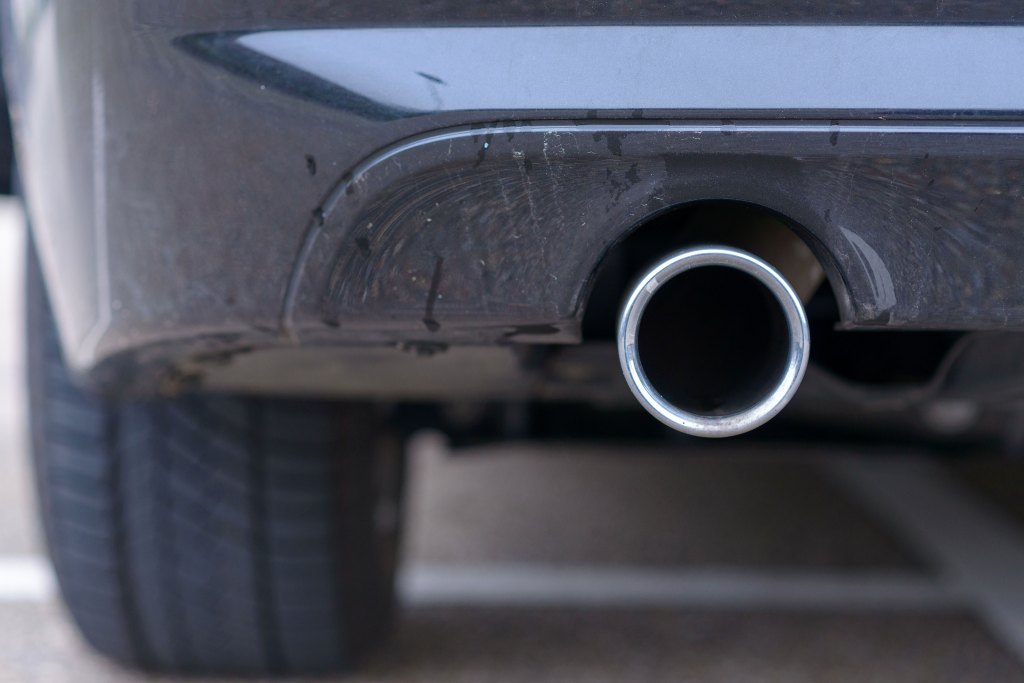
The proposed repeal is expected to trigger significant litigation, with legal proceedings potentially extending for years before final resolution. Initially, the EPA's action will target tailpipe emissions standards for passenger vehicles and light-duty trucks, though the administration is anticipated to leverage this decision to dismantle regulations affecting power generation facilities and industrial operations.
Industry Response and Market Implications
Notably, legacy automotive manufacturers—despite previously lobbying for relaxed fuel efficiency standards—did not advocate for repealing the endangerment finding. Tesla took a more proactive stance, formally requesting the EPA maintain the determination, citing its foundation on a "robust factual and scientific record."
If successful, this regulatory shift will create significant regulatory divergence between the United States and other developed economies. Multinational corporations will face increased operational complexity and costs as they develop market-specific compliance strategies. The automotive sector, in particular, confronts a bifurcated market landscape in the near term.
The combination of regulatory volatility in the U.S. market and intensifying competition from Chinese manufacturers has already resulted in tens of billions of dollars in losses for global automakers. American manufacturers' dependence on fossil fuel-powered light trucks has created a strategic vulnerability, generating short-term profits while hindering long-term fleet electrification efforts ahead of anticipated market entry by Chinese automotive brands.
Economic Impact Analysis
The Trump administration projects the policy reversal will generate savings exceeding $1 trillion, though no supporting documentation or methodology has been provided for this estimate.
In contrast, climate change economic impact assessments paint a substantially different picture:
• The Congressional Budget Office has identified nearly $1 trillion in real estate assets at risk from sea-level rise
• Mortality rates in the United States could increase by 2% without climate change mitigation
• A 2024 research study projects climate change could reduce global GDP by 17% by 2050, equivalent to approximately $38 trillion annually
Sources:
Wall Street Journal - Trump Climate Policy Report
Bloomberg - Chinese Automotive Market Entry
Congressional Budget Office - Climate Change Economic Impact
🔔 Stay tuned and subscribe →
Related news



Try these AI tools

Adversea offers advanced AI-powered background checks including adverse media screening, PEP & sanct...

Shufti Pro ensures secure, global identity verification with AI technology, supporting compliance an...

Specialized recruitment for the life sciences industry, focusing on data science and AI.