Uber Appoints New CFO to Drive Autonomous Vehicle Strategy and Multi-Trillion Dollar Opportunity
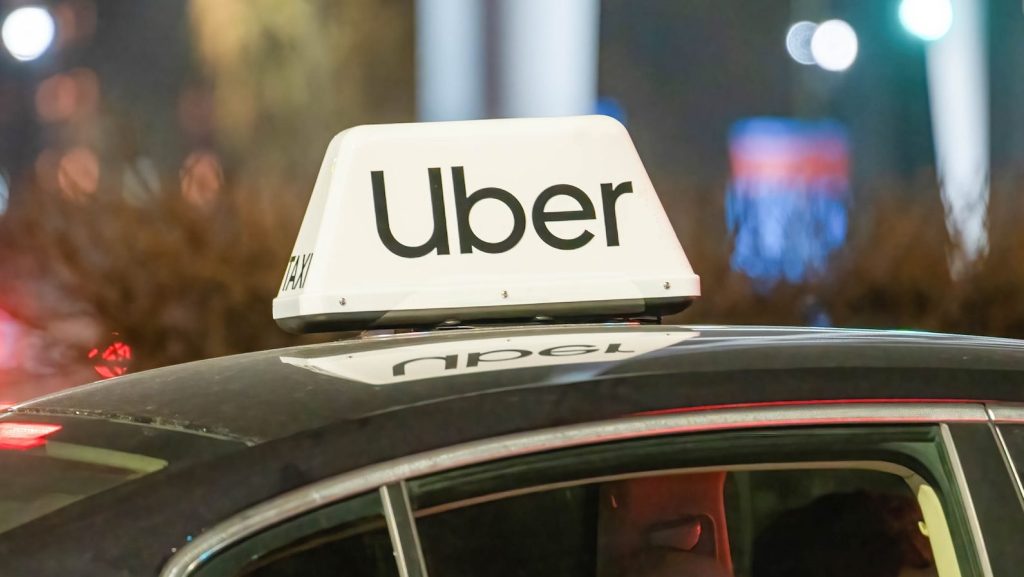
Uber Technologies has announced the promotion of Balaji Krishnamurthy, Vice President of Strategic Finance and Investor Relations, to the position of Chief Financial Officer. Krishnamurthy will replace the current CFO Prashanth Mahendra-Rajah, who is departing after three years with the company.
Krishnamurthy brings over six years of experience at Uber, primarily within the investor relations division. His appointment appears strategically aligned with Uber's ambitious autonomous vehicle (AV) expansion plans. Notably, Krishnamurthy maintains a board position at AV technology company Waabi and frequently discusses the company's autonomous ride-hailing initiatives, signaling a strong focus on driverless operations moving forward.
During Uber's Q4 2025 earnings call, Krishnamurthy outlined the company's comprehensive AV investment strategy, which includes:
• Direct capital investment in AV software development partners
• Equity investments and offtake agreements with autonomous vehicle manufacturers
• Support for AV infrastructure ecosystem partners
"With large and growing free cash flows, over the coming years we will invest with discipline across a multitude of opportunities, including positioning Uber to win in an AV future," Krishnamurthy stated in the company's Q4 financial results documentation.
CEO Dara Khosrowshahi reinforced the company's commitment to autonomous technology during the earnings call, describing it as a "multi-trillion dollar opportunity" that fundamentally amplifies Uber's platform strengths. The company has set aggressive expansion targets for its AV operations:
• By end of 2026: Facilitate autonomous vehicle trips in up to 15 cities globally, with approximately equal distribution between U.S. and international markets
• By 2029: Become the world's largest facilitator of autonomous vehicle trips
Uber's Q4 2025 financial performance demonstrated strong momentum, with revenue reaching $14.37 billion, representing a 20% year-over-year increase. This growth was primarily driven by robust demand for the company's food delivery services.
Sources:
Uber Q4 2025 Earnings Call Prepared Remarks
Uber Q4 2025 Financial Results Statement