Minneapolis Tech Community Rallies Amid Immigration Enforcement Crisis
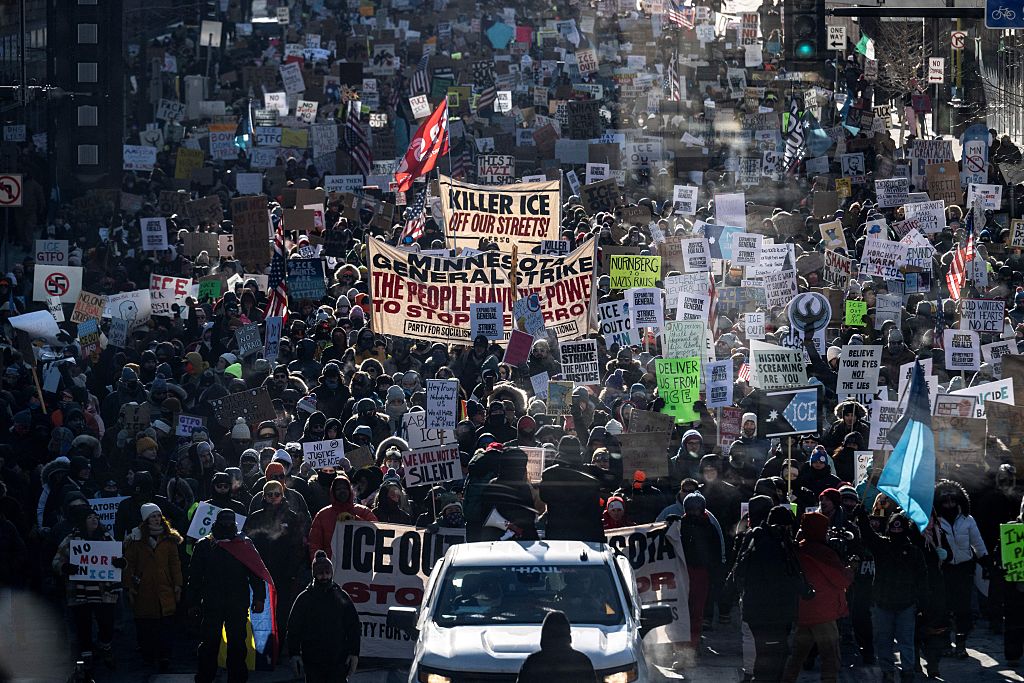
The Minneapolis technology ecosystem is experiencing significant operational disruption as U.S. Immigration and Customs Enforcement (ICE) has intensified enforcement operations in the metropolitan area, resulting in multiple fatalities, including at least two U.S. citizens.
Eight Minneapolis-based founders and investors report that they have temporarily suspended standard business operations to focus on community support initiatives, including volunteering at religious organizations and coordinating food distribution networks. This grassroots mobilization represents a cross-sectional effort spanning diverse demographic and socioeconomic groups, manifesting through public advocacy, financial contributions, organized demonstrations, and peer support systems.
Impact on Tech Professionals
"There's a lot of commonality between how a teacher is reacting right now and how a tech professional is reacting," said Scott Burns, a local investor. He characterized the community as "very fatigued" and has increased his participation in church-based food packaging operations for residents unable to leave their homes safely. "It was like what happens after a natural disaster," he noted.
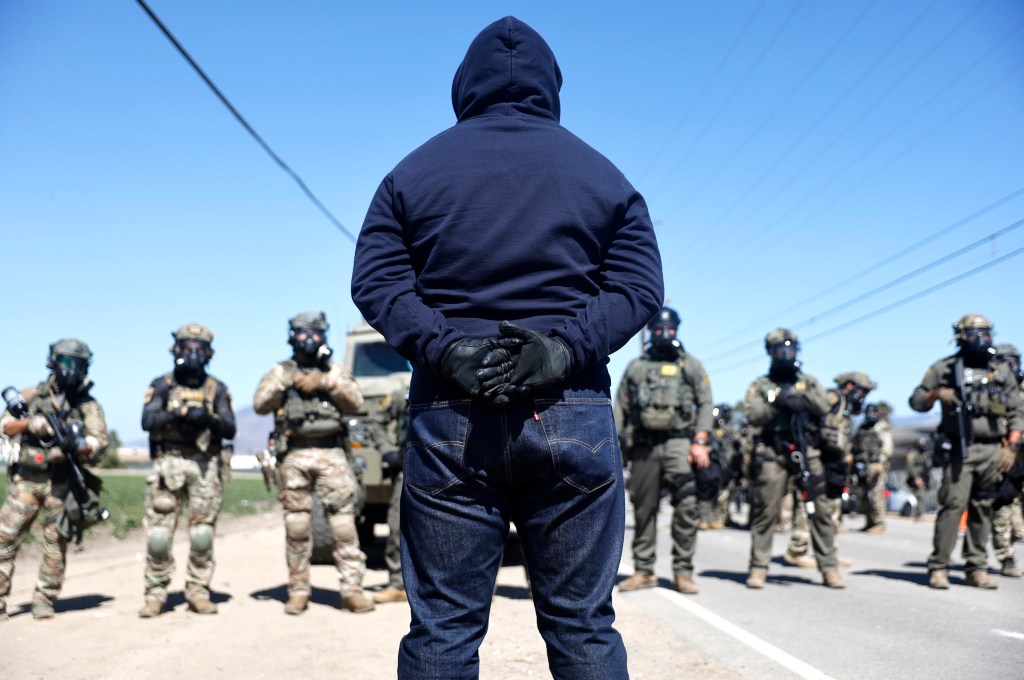
Industry stakeholders describe an environment where federal agents maintain an omnipresent profile throughout the city, operating in plainclothes and equipped with military-grade weaponry. ICE personnel have been observed conducting surveillance on public transportation systems, workplace environments, residential areas, parking facilities, and educational institutions.
One anonymous Black founder reported implementing a personal security protocol of carrying his passport at all times despite being a U.S. citizen, citing widespread profiling of people of color by ICE and border patrol agents. "People aren't exaggerating how hard it has been. It's hard to focus; it's been a challenge just navigating even my team through it," he stated.
The founder recounted a virtual meeting interrupted when a colleague witnessed an ICE detention operation in his mother's neighborhood, prompting him to immediately contact family members to verify their documentation status.
Operational Challenges
Efraín Torres, a Latino founder, operates remotely while monitoring enforcement activities in his residential area. "You can't not hear them," he explained. "Cars will beep. Protestors whistle alerts. And if you miss it, you'll see signs saying, 'My neighbor was taken by ICE.'"
Federal agents conduct "citizen checks," requesting immigration status verification based on criteria including racial characteristics or perceived accents, as permitted by Supreme Court precedent. These checks have occurred during routine activities such as snow removal. Torres has experienced multiple ICE encounters and reports knowledge of individuals being followed by agents.
"The line separating me from being a victim of assault is just a chance encounter," he said.
Enforcement Scale
The Trump administration has deployed over 3,000 federal agents to Minnesota as part of "Operation Metro Surge." ICE and border patrol personnel now outnumber Minneapolis police officers nearly 3 to 1, according to Senator Amy Klobuchar.
Minnesota hosts one of the largest Somali immigrant populations in the United States, a demographic previously targeted by the administration. This includes U.S. Representative Ilhan Omar, who has engaged in public disputes with President Trump. Minnesota Governor Tim Walz and Minneapolis Mayor Jacob Frey, both Democrats, have also been criticized by the president.
Since Trump's inauguration in January, more than 2,000 individuals have been arrested by ICE in Minnesota. The enforcement operations extend beyond urban centers into rural areas.
Community Response
"It's been difficult," said one anonymous Black investor who maintains multi-generational U.S. citizenship. Despite this status, he carries identification documentation as a precautionary measure.
"Where I go to the gym, they're in rural Minnesota," he noted. "It's just been a strange time."
Community members have implemented various support mechanisms. One investor provides food supplies to immigrant college founders to eliminate grocery shopping risks. Many professionals have transitioned to remote work arrangements when feasible.
"It's a tense and difficult time on the ground," said Mary Grove, a local investor. Reed Robinson, another investor providing financial assistance, reported that founders with children have established volunteer childcare monitoring systems due to frequent ICE detention of daycare personnel, often in violation of legal protocols and court orders.
"It feels unnecessary, it feels intrusive, it feels like a violation of rights," Robinson stated.
The psychological impact affects productivity across the ecosystem. Torres implemented a company-wide prohibition on ride-sharing applications after engineers on H-1B visas reported being followed by immigration officials. "Each time, it was three to four armed men in tactical outfits," Torres said, adding that he and his spouse have discussed relocating. "They're inflicting trauma everywhere they go."
Ecosystem Resilience
The Minneapolis technology sector remains relatively nascent, with companies raising approximately $1 billion in recent years. Notable companies include:
• Sezzle (fintech, publicly traded)
• Rorra (clean water technology)
• Reema (medical technology)
"It's not going to stop; we're going to continue to do the work while we figure out this current situation," Robinson said.
The Twin Cities region serves as headquarters for major corporations including Target, Optum, Best Buy, UnitedHealthGroup, and General Mills. However, founders and investors have criticized these organizations for inadequate responses to the crisis, despite employee detentions.
"We haven't had an adequate response," one startup investor said.
Sixty executives signed a statement calling for "immediate de-escalation of tensions" following the death of ICU nurse Alex Pretti by ICE agents. Major corporations have collectively funded millions in grants through the Minneapolis Foundation for affected businesses.
However, many founders and investors consider these actions insufficient compared to grassroots initiatives. A recent CNBC poll found that one-third of surveyed executives remained silent, citing business irrelevance, while 18% feared Trump administration backlash and 9% were still formulating responses.
"When you see the failure of community institutions to demonstrate any kind of bravery, that's really where it's probably most disappointing," said Tim Herby, a local investor, characterizing the past two months as heart-wrenching.
Grove's team maintains regular communication with portfolio companies and community members to monitor wellbeing. Community members are providing rent assistance, restaurants are offering complimentary meals, and local tech nonprofit Minnestar is organizing community events to facilitate dialogue.
One Black investor noted the irony of law enforcement now joining public protests against federal government actions, just years after community demonstrations against police following George Floyd's murder.
The crisis has fundamentally altered daily routines. One Black founder reported that white friends have begun providing transportation for safety purposes. He recalled a restaurant conversation interrupted by television coverage of another ICE shooting, creating a somber atmosphere that underscored how enforcement operations have pervaded all aspects of life.
"I saw a friend yesterday," he said. "It was the first time he left the house since New Year's."
🔔 Stay tuned and subscribe →
Related news



Try these AI tools
Immplify digitizes, organizes, and secures immigration documents with mobile scanning, a central das...