Press for navigation
Swipe for navigation

TweetMe

Explore the Solar System, understanding its components from the Sun to planets, moons, and other celestial objects, with a special focus on Earth.

Education Updated 5 minutes ago
Visit Website
TweetMe

TweetMe's Top Features

Detailed overview of the Solar System
Description of key components like the Sun, planets, moons, and dwarf planets
Breakdown of planetary categories: terrestrial, gas giants, and ice giants
Focused information on Earth as a habitable planet
Inclusion of small celestial bodies like comets, asteroids, and meteoroids
Educational resources for students and teachers
Engaging content for amateur astronomers and science enthusiasts
Useful knowledge for parents assisting with children's education
Insightful information for space tourists and science communicators
Research material for book authors and museum curators

Frequently asked questions about TweetMe

The Solar System consists of the Sun and various celestial bodies that orbit it, including eight planets, their moons, dwarf planets, and other small objects.

There are eight planets in the Solar System: Mercury, Venus, Earth, Mars, Jupiter, Saturn, Uranus, and Neptune.

The Sun is a massive star at the center of the Solar System, providing the necessary heat and light to support life on Earth and driving the orbits of planets and other objects.

Terrestrial planets are rocky planets located in the inner part of the Solar System, including Mercury, Venus, Earth, and Mars.

Gas giants are large planets primarily composed of hydrogen and helium, with Jupiter and Saturn being the two gas giants in our Solar System.

Ice giants, such as Uranus and Neptune, are planets that contain more ices, including water, ammonia, and methane, compared to gas giants.

Moons are natural satellites that orbit planets, with Earth’s Moon being one of them.

Dwarf planets are smaller planetary bodies that orbit the Sun, such as Pluto.

Other celestial objects include comets, asteroids, and meteoroids, which are smaller bodies found throughout the Solar System.

Earth is unique because it is the only known planet that supports life, with a diverse climate system and a surface mostly covered by water.

TweetMe's pricing

Basic

$0/

  • Understanding the Solar System: Consists of the Sun and the objects that orbit it, including eight planets and their moons, dwarf planets, and other small celestial bodies.
  • Key Components: The Sun, Planets, Moons, Dwarf Planets, and Other Celestial Objects.
  • Planetary Details: Terrestrial Planets (Mercury, Venus, Earth, Mars), Gas Giants (Jupiter, Saturn), and Ice Giants (Uranus, Neptune).

Customer Reviews

Login to leave a review

No reviews yet. Be the first to review!

Top TweetMe Alternatives

Your Political Place

Write short essays and let AI determine your political orientation with Your Political Place. Insigh...
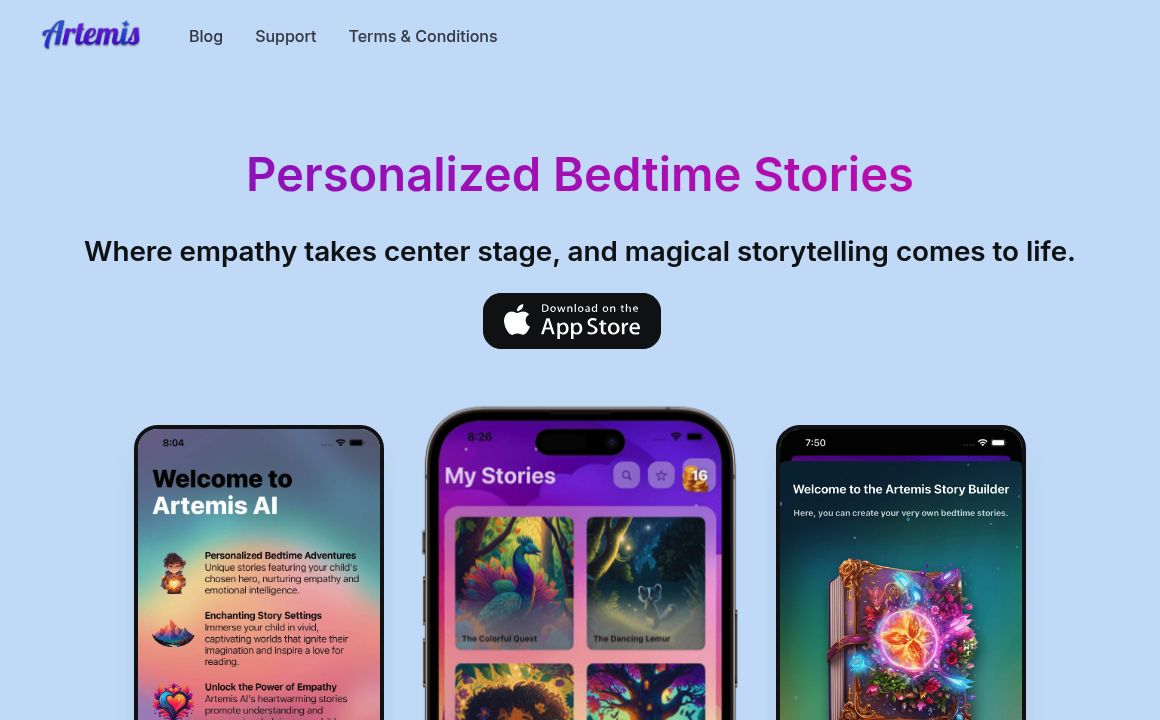
Artemis AI

Artemis AI uses personalized stories to help children develop empathy and emotional intelligence.

HeyLibby

Discover HeyLibby.ai: Your ultimate AI-driven platform for structured, easy-to-understand learning a...

Notelierai

Discover Notelier, the AI note-taking app that automates flashcards, quizzes, summaries, and more. T...

Note-Rack

Discover Note Rack: the ultimate hub for organizing notes and tasks, featuring powerful search, easy...

Daily Reliever

Discover how social dynamics, responsibility, economic impacts, technological advancements, and cult...

Prev Project
Next Project