India Partners with Alibaba.com for B2B Export Initiative Despite Ongoing Consumer App Restrictions
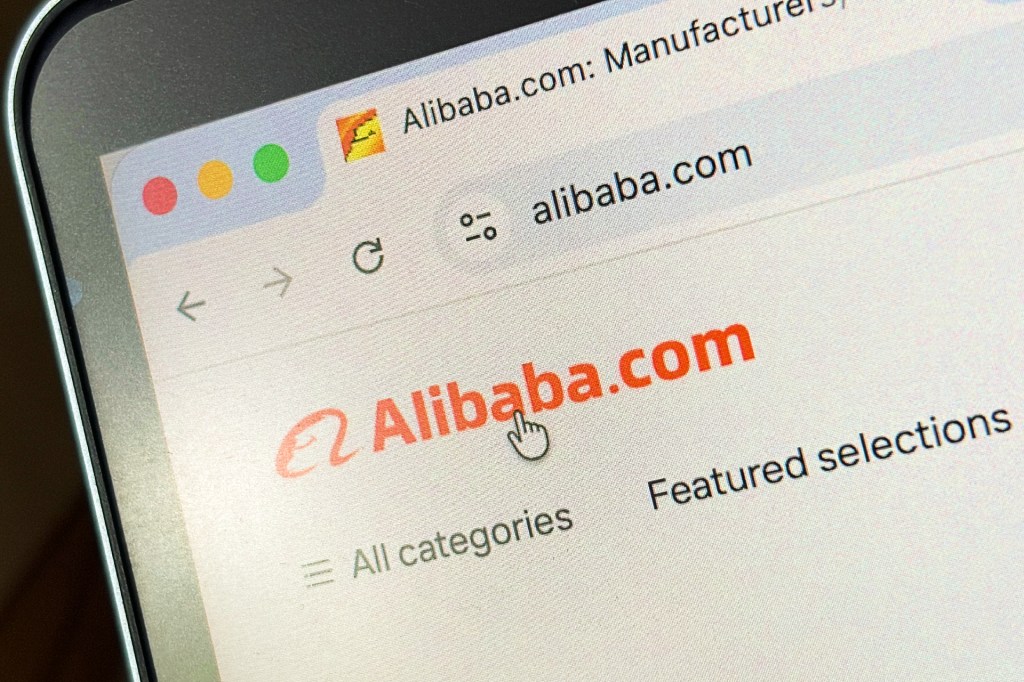
The Indian government has established a strategic partnership with Alibaba.com, focusing on export facilitation for startups and small-to-medium enterprises (SMEs) seeking to access international markets. This collaboration represents a nuanced approach to engagement with Chinese technology platforms, occurring several years after New Delhi implemented comprehensive restrictions on consumer-facing applications and gaming platforms.
The Startup India initiative announced the collaboration this week, outlining a program designed to identify and support Indian startups that can facilitate onboarding and scaling operations for Indian exporters on Alibaba.com's global B2B marketplace. Participating startups will receive commission structures and technical support to assist small-scale manufacturers and traders in establishing overseas market presence.
This partnership emerges against the backdrop of strained India-China relations dating back to 2020, when New Delhi prohibited dozens of Chinese-affiliated applications following a border confrontation. Major platforms including TikTok, PUBG Mobile, and AliExpress—an e-commerce platform operated by Alibaba Group—remain subject to these restrictions. The current collaboration with Alibaba.com's B2B platform represents a carefully delineated form of engagement rather than a comprehensive policy revision.
Strategic Importance of SME Export Infrastructure
India's export strategy is intrinsically linked to its small business ecosystem and the digital platforms enabling international market access. According to the Indian government's latest Economic Survey, micro, small, and medium enterprises (MSMEs) contribute:
• Nearly 50% of the country's total exports
• Approximately 31% of GDP
These metrics underscore New Delhi's strategic focus on expanding digital market access for smaller enterprises through global B2B channels, including Alibaba.com's platform infrastructure.
Rocky Lu, Head of India Business at Alibaba.com, stated: "Alibaba.com has been active in India for over two decades, and we remain dedicated to our core mission of empowering MSMEs to scale their businesses globally. Our focus continues to be on leveraging our digital infrastructure to help 'Made in India' products reach an international audience through digital transformation."
The platform currently connects over 50 million active buyers across more than 200 countries and regions. While Lu did not explicitly confirm whether the Startup India initiative represents Alibaba.com's first direct federal government partnership since 2020, he noted the company has "maintained a consistent cadence of engagement with various government and semi-government bodies integral to the Indian export ecosystem," including digital training programs for MSMEs and collaborations with export promotion councils.
Policy Differentiation and Regulatory Framework
Kazim Rizvi, Founding Director of The Dialogue, a New Delhi-based public policy think tank, characterized the partnership as reflecting India's differentiated approach toward China—maintaining restrictions in strategic and security-sensitive sectors while permitting economic engagement where clear benefits exist.
"Going forward, regulatory clarity will be important," Rizvi noted. "Predictable policy environments will help ensure that startups feel confident participating in such initiatives."
George Chen, Partner and Co-chair of the Digital Practice at The Asia Group, a Washington-based consultancy, observed that the Indian government appears to be distinguishing between export-focused platforms and consumer-facing Chinese applications. Chen, who previously served as Regional Public Policy Director at Meta, suggested that New Delhi recognizes value in Alibaba's role supporting B2B exports, particularly given the platform's market penetration in regions such as Africa, which could facilitate diversification of Indian exporters' global sales channels.
Chen drew parallels to China's approach to digital platforms: "China bans foreign apps like Facebook and Instagram for Chinese individual users but still allows Facebook and Google to do business with Chinese companies, especially exporters who rely on those platforms to sell products abroad."
Recent Developments and Broader Context
The Startup India collaboration follows Alibaba.com's June 2025 launch of its Trade Assurance program in India, designed to help Indian SME exporters manage cross-border transaction risks through payment protection and dispute-resolution mechanisms.
These developments coincide with tentative signs of improved India-China engagement in multilateral technology forums, with Chinese representatives expected to attend the India AI Impact Summit in New Delhi. However, Indian officials have not indicated any modifications to existing restrictions on Chinese consumer technology platforms.
The Indian commerce ministry did not respond to requests for comment regarding the partnership or broader policy framework.