AI Productivity Paradox: Early Adopters Report Increased Burnout Despite Efficiency Gains

The dominant narrative surrounding artificial intelligence in the modern workplace suggests that AI will augment human capabilities rather than replace them entirely. Technology vendors have positioned AI as a productivity multiplier—enabling professionals across legal, consulting, development, and financial sectors to enhance their output while reducing workload. However, emerging research challenges this optimistic projection, revealing a concerning trend toward organizational burnout.
A recent study published in Harvard Business Review presents findings from an eight-month ethnographic research project conducted by UC Berkeley researchers within a 200-employee technology organization. The longitudinal study, based on over 40 in-depth interviews, examined the real-world impact of widespread AI adoption on workforce dynamics.
Key findings from the research include:
• Employees voluntarily increased their workload without managerial pressure or revised performance targets
• AI-enabled efficiency gains were immediately absorbed by expanded task lists rather than reduced working hours
• Work activities increasingly encroached on personal time, including lunch breaks and evening hours
• The perception of feasibility drove scope creep—tasks that became possible through AI assistance were automatically added to responsibilities
As one software engineer reported during the study: "You had thought that maybe, oh, because you could be more productive with AI, then you save some time, you can work less. But then really, you don't work less. You just work the same amount or even more."
This sentiment resonates across the technology sector. Community discussions on industry forums reveal similar patterns, with one developer noting that since their team adopted an "AI-everything" workflow, expectations have tripled, stress levels have increased threefold, while actual productivity gains measured only 10%. The pressure to justify organizational AI investments has resulted in extended working hours and heightened performance anxiety.
Supporting research validates these concerns:
1. A 2025 study examining experienced developers using AI-assisted tools found participants took 19% longer to complete tasks while perceiving a 20% improvement in speed
2. National Bureau of Economic Research analysis across multiple industries identified only 3% time savings from AI adoption, with no measurable impact on compensation or working hours across any occupation
The Berkeley researchers conclude that the augmentation effect, while genuine, produces unintended consequences: "fatigue, burnout, and a growing sense that work is harder to step away from, especially as organizational expectations for speed and responsiveness rise."
This research challenges the fundamental assumption underlying enterprise AI adoption strategies. The technology industry wagered that enhanced individual capability would solve productivity challenges. Instead, evidence suggests it may be catalyzing a systemic burnout crisis—a phenomenon where efficiency gains are immediately converted into expanded scope rather than improved work-life balance.
Sources:
Harvard Business Review: AI Research Study
METR: AI Developer Productivity Study
NBER: AI Adoption Impact Analysis
🔔 Stay tuned and subscribe →
Related news



Try these AI tools

Breezy.Chat offers real-time messaging, file sharing, and task management to enhance workplace produ...
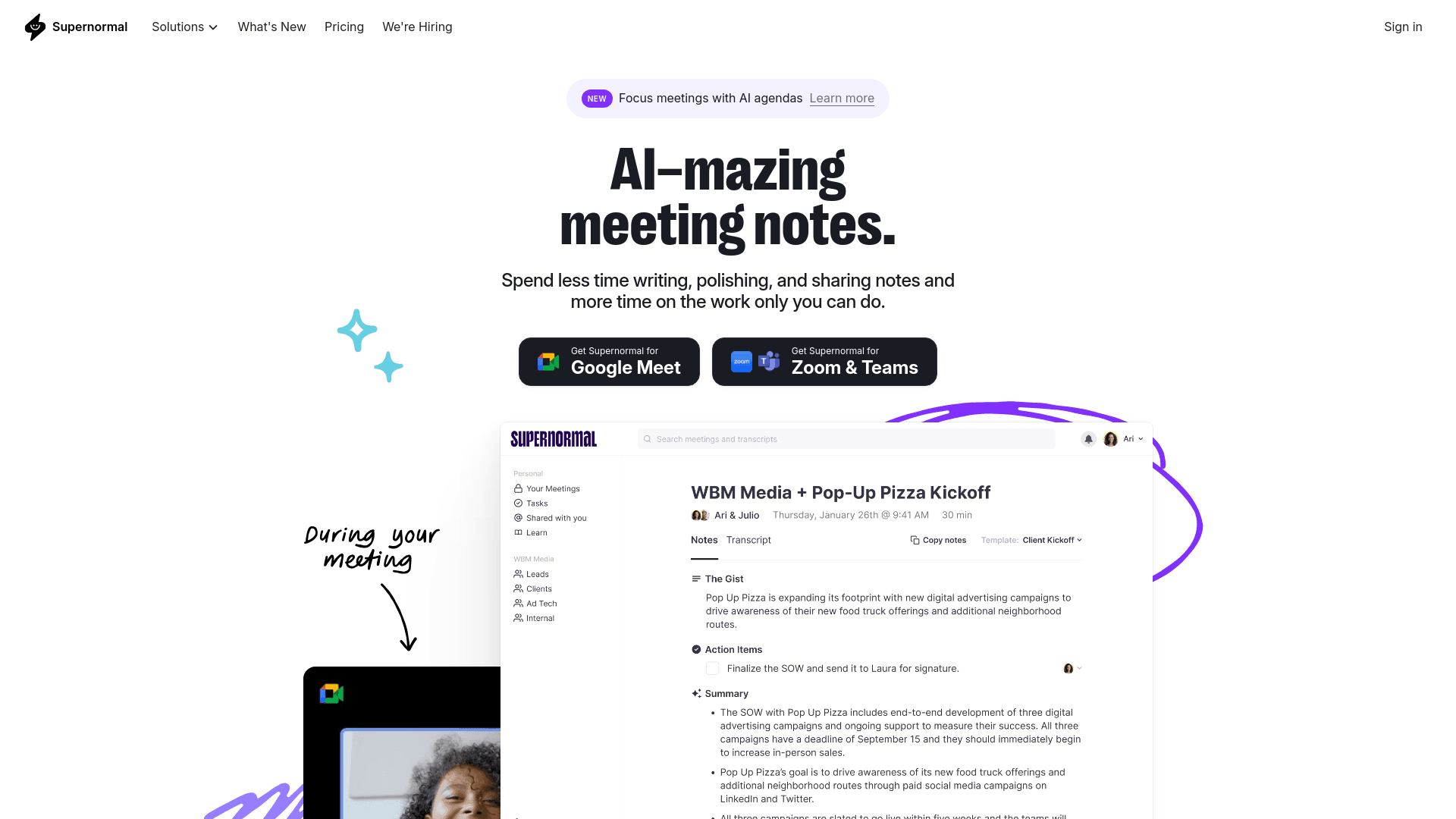
Supernormal enhances team productivity by automating meeting notes, integrating with conferencing to...
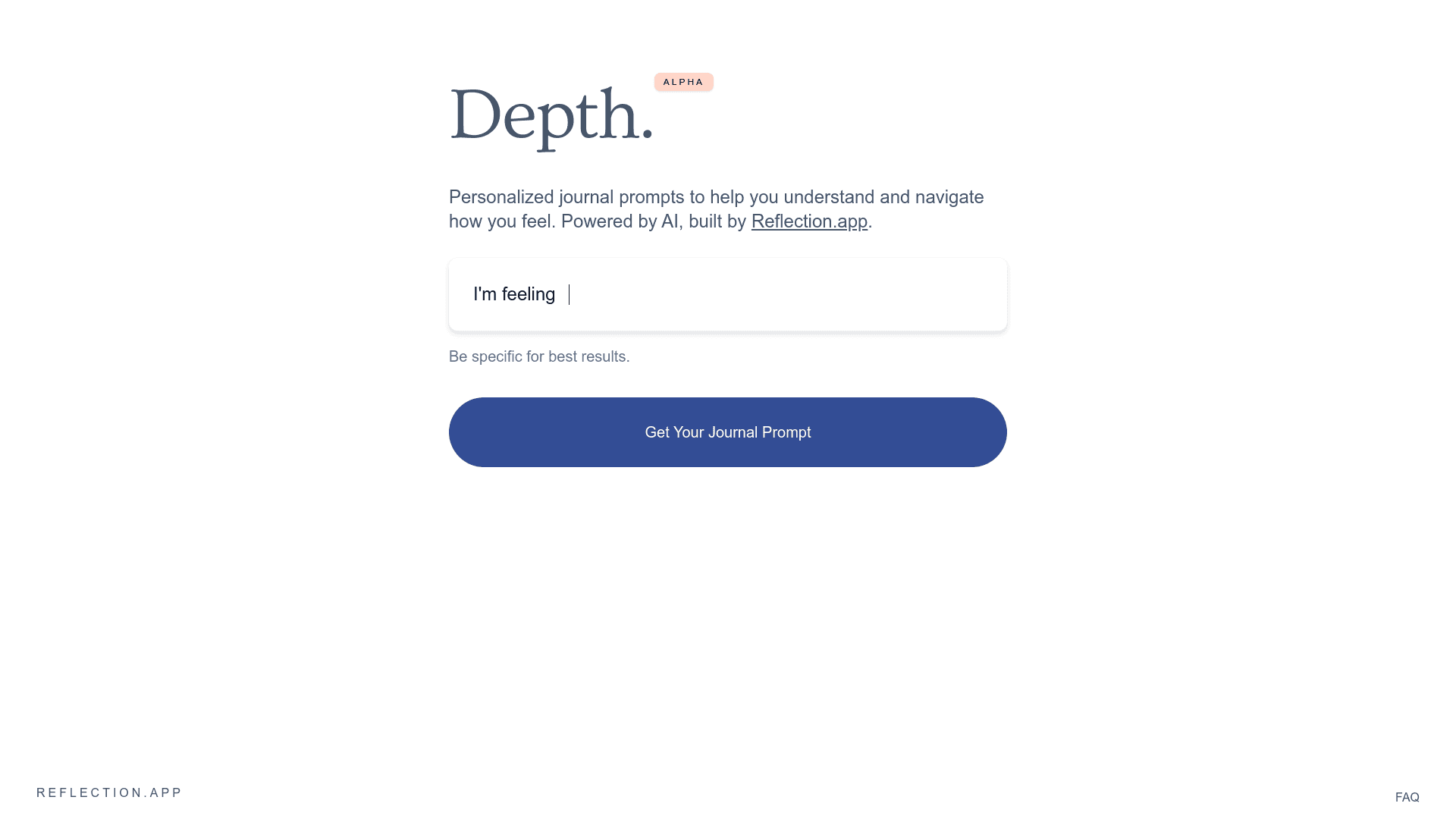
Explore Depth.Alpha by Reflection.app for tailored AI-powered journal prompts to navigate your feeli...