Anthropic Unveils Opus 4.6: Introducing Multi-Agent Collaboration and Enhanced Context Processing
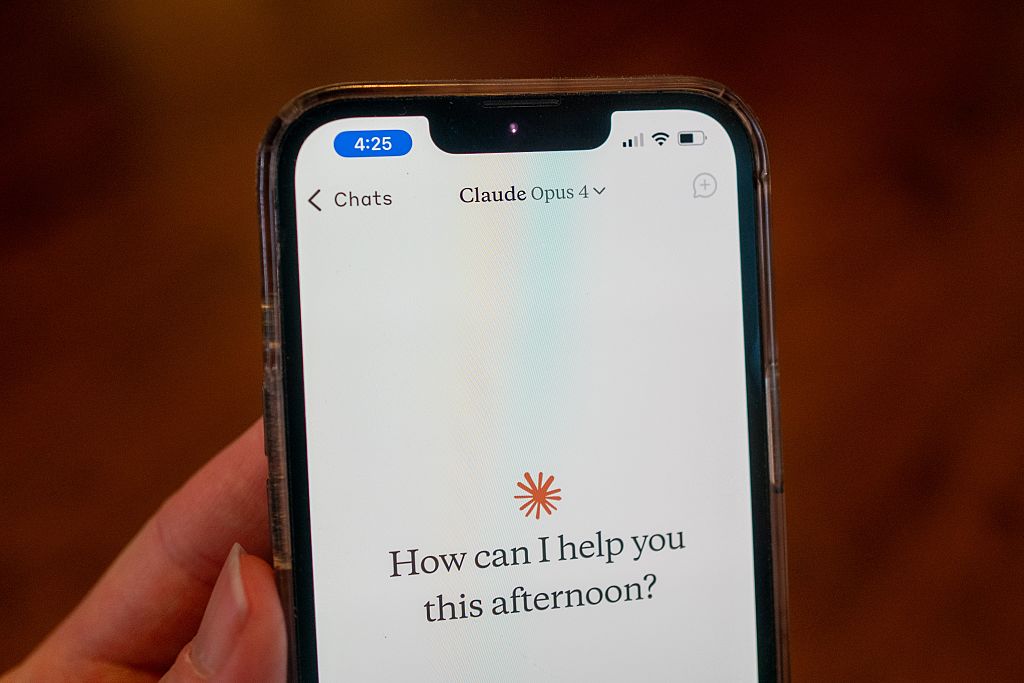
Anthropic has officially launched Opus 4.6, the latest iteration of its flagship AI model that powers Claude Code. This release comes just months after Opus 4.5 debuted in November, demonstrating the company's commitment to rapid innovation and expanding the model's applicability across diverse enterprise use cases.
Multi-Agent Collaboration Architecture
The most significant enhancement in Opus 4.6 is the introduction of "agent teams"—a distributed architecture that enables multiple AI agents to decompose complex tasks into parallel workstreams. Rather than processing tasks sequentially through a single agent, this approach allows multiple specialized agents to handle discrete components simultaneously while maintaining inter-agent coordination.
According to Scott White, Head of Product at Anthropic, this architecture mimics high-performing human teams, enabling agents "to coordinate in parallel and work faster." The agent teams functionality is currently accessible through a research preview for API subscribers and enterprise users.
Extended Context Window Capabilities
Opus 4.6 delivers a substantial upgrade in context retention, now supporting 1 million tokens per session—matching the capacity offered by Sonnet 4 and 4.5 versions. This expanded context window enables developers to work with significantly larger codebases and process extensive documentation within a single session, enhancing productivity for complex development workflows.
Native PowerPoint Integration
The release includes deep integration with Microsoft PowerPoint, featuring Claude as an accessible side panel within the application. This represents a significant improvement over previous implementations, which required users to export Claude-generated presentations for subsequent editing. The native integration streamlines the presentation development workflow by enabling real-time collaboration between users and Claude directly within the PowerPoint environment.
Expanding Beyond Software Development
White emphasized that Opus has evolved from a specialized software development tool into a versatile platform serving a broader spectrum of knowledge workers. The company has observed adoption across multiple disciplines, including product management, financial analysis, and various other professional domains.
"We noticed a lot of people who are not professional software developers using Claude Code simply because it was a really amazing engine to do tasks," White noted, highlighting the platform's cross-functional appeal.
Availability
Opus 4.6 is now available to API users and subscribers, with agent teams functionality accessible through research preview access.
🔔 Stay tuned and subscribe →
Related news


Try these AI tools
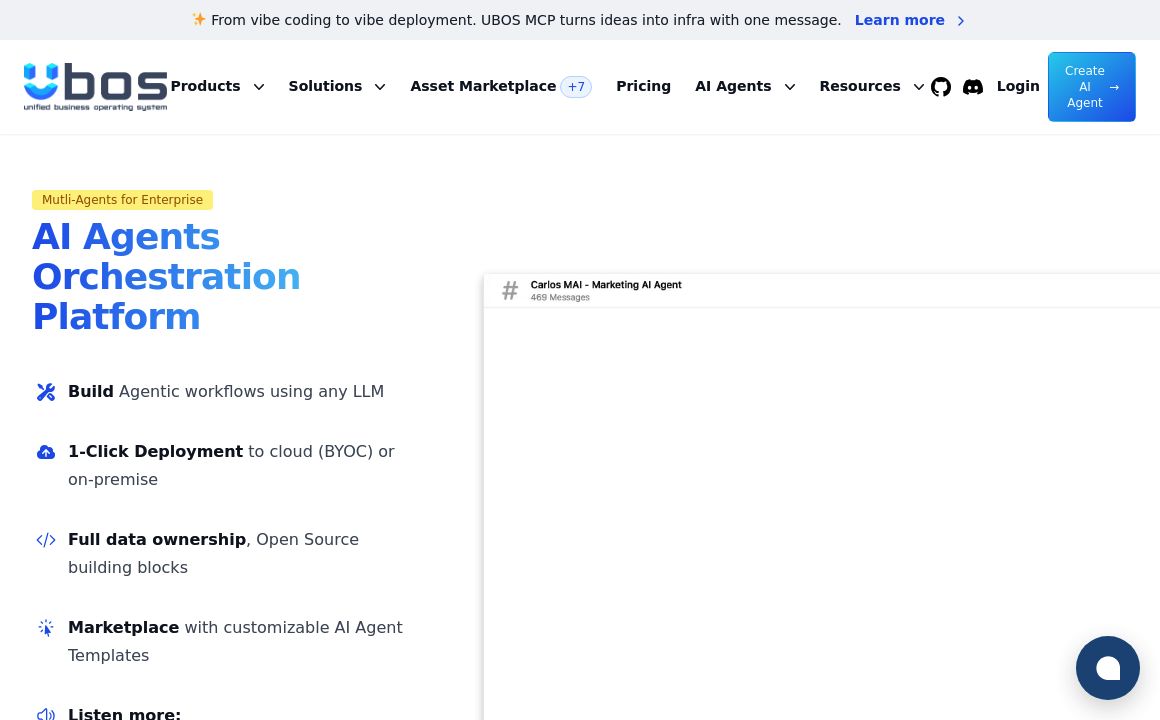
UBOS is a versatile development platform offering AI-driven, low-code/no-code solutions for startups...
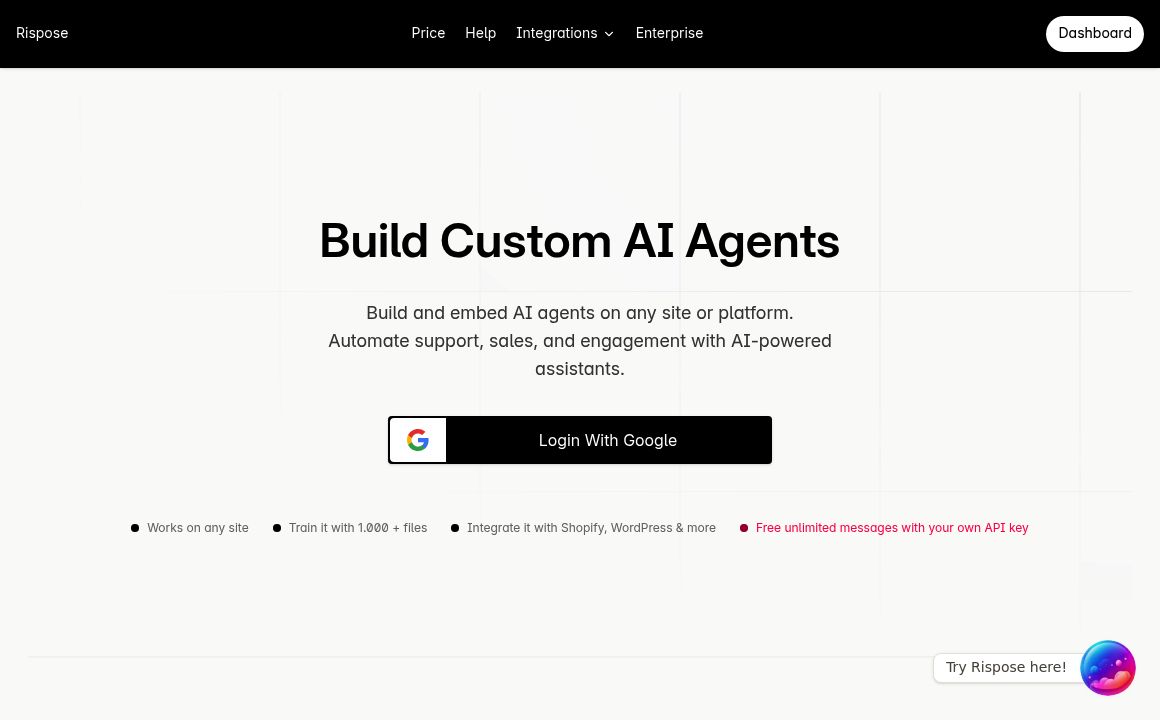
Create, code, and deploy AI agents to automate tasks using Unfetch, an all-in-one IDE and deployment...
Discover Kallo's AI-powered platform offering top models like GPT-4o, Claude 3.5 Sonnet, and Gemini...